
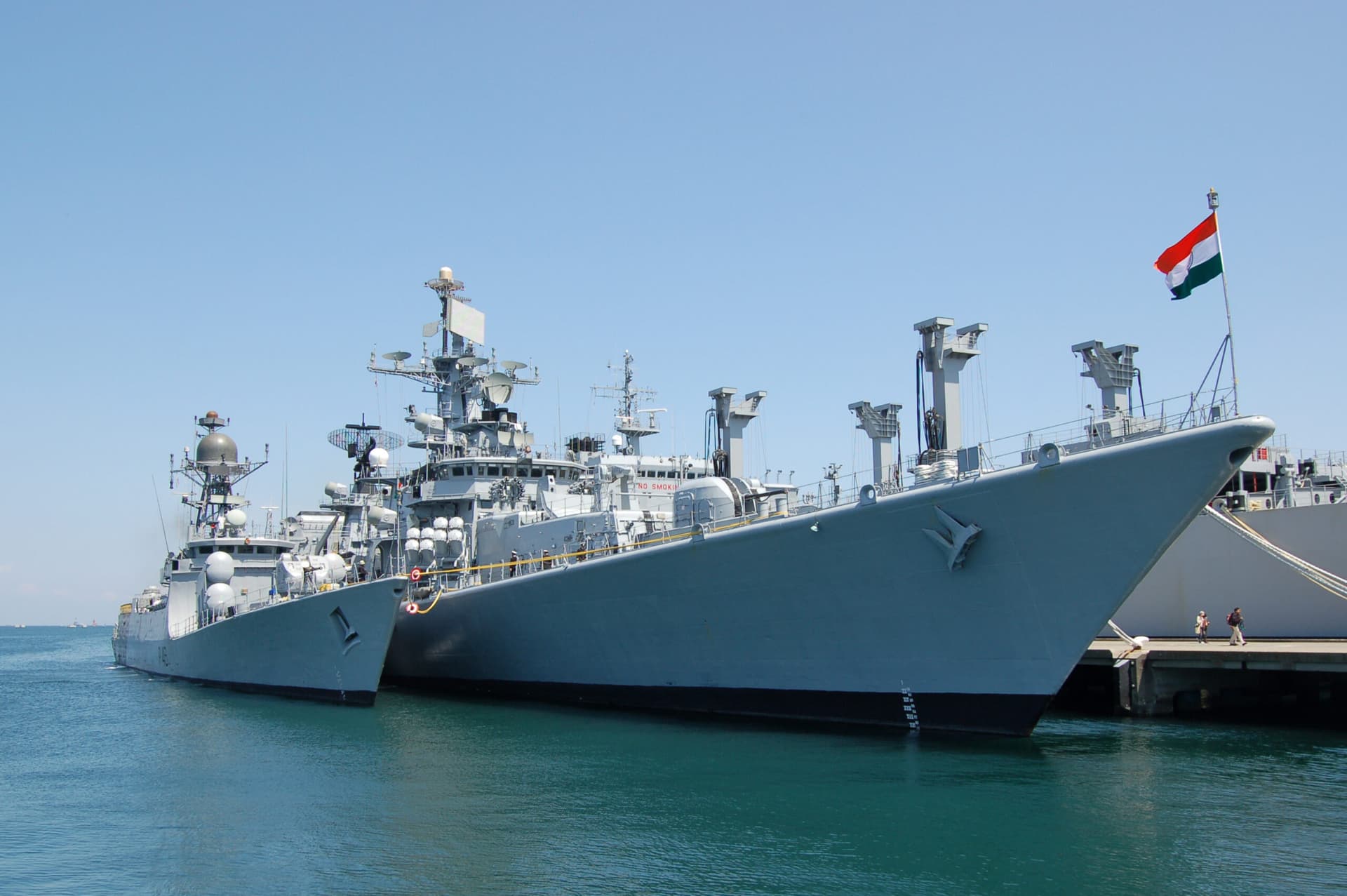
India’s coastal shipping system sits at a pivotal moment. With a long coastline, expanding ports, growing cargo volumes, and improved multimodal links, the nation is finally recognizing coastal shipping as a critical aspect of its broader transport sector. Despite this promise, the share of coasting trade remains lower than global benchmarks, even though coastal shipping operations can significantly reduce logistics costs, improve economic growth, and strengthen the shipping industry.
Coastal Shipping in India Today – A System Ready for Its Breakthrough
Today, India handles rising volumes of cargo, including bulk cargoes like coal, cement, iron ore, and fertilisers. The government’s renewed focus on the maritime economy, through Sagarmala, PM Gati Shakti, Maritime Vision 2030, and now the Coastal Shipping Act 2025, signals a shift from a fragmented approach to an integrated, future-focused national shipping strategy.
Yet major challenges persist: bureaucratic hurdles, limited infrastructure, varying state-level interpretations, dependency on foreign-flagged vessels, and inconsistent port facilities across major ports and minor ports. These gaps have held India back despite clear geographical proximity advantages across the west coast and east coast maritime corridors.
But change is underway, driven by infrastructure expansion, digitalisation, national legislative reforms, advanced planning mechanisms, and stronger alignment between the central government, state governments, port authorities, and the Directorate General of Shipping.
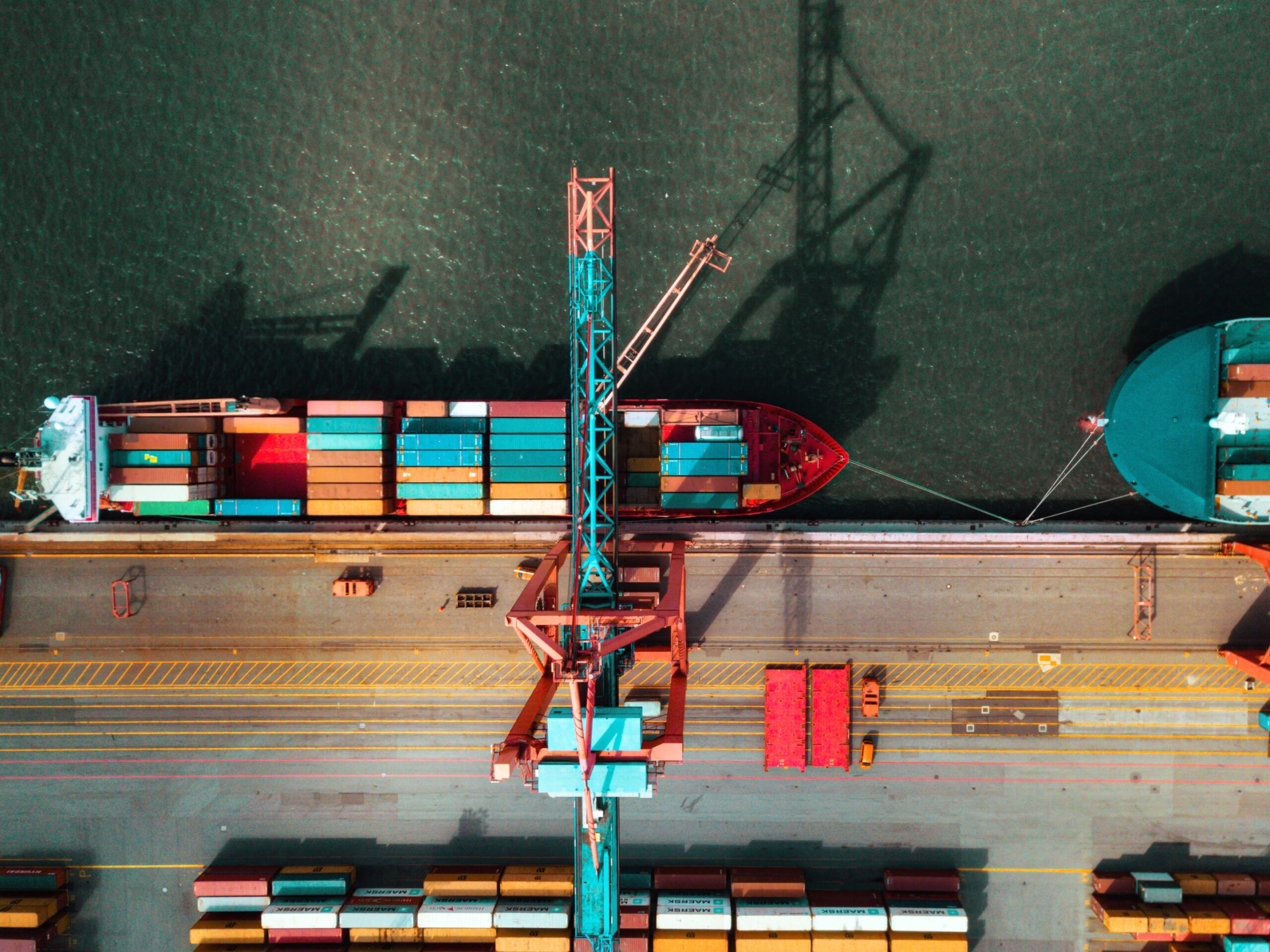
Measures That Brought India to This Inflexion Point
India did not arrive at this moment by accident. The last decade has seen structural interventions that laid the foundation for a more efficient, sustainable, and resilient coastal shipping framework.
Key drivers of progress include:
a) Sagarmala Programme
A national push to modernize ports, strengthen infrastructure development, expand capacity, and integrate inland waterways with coastal routes. Projects under Sagarmala have improved infrastructure, connected hinterlands, reduced traffic congestion, and bolstered the transport network.
b) Relaxed Cabotage Framework
Allowing more vessel flexibility reduced costs, offered capacity where Indian tonnage was insufficient, and improved competitiveness, though it also highlighted the need to grow national shipping capability.
c) Financial Incentives
Discounted port charges, priority berthing, and financial support for coastal terminals encouraged early adoption and expanded coastal shipping operations.
d) Modernization of the Directorate General of Shipping
Digital workflows, automated approvals, and improved documentation standards ensure faster processes, reduced delays, and a more conducive environment for industry growth.
e) Skill Development Initiatives
Targeted programs for officers, ratings, and shore-based teams built capability for vessel operations, regulatory compliance, and port-side functions, ensuring the workforce can handle a rising share of national activities.
Together, these measures created a robust ecosystem where coastal shipping could grow, but gaps persisted. The next big leap required a modern legal foundation.
The Untapped Potential: What India Has Not Fully Utilised Yet
Despite strong fundamentals and a long coastline, the true potential of India’s coastal shipping remains largely unrealised.
a) Massive Cost Advantage
Coastal shipping is significantly cheaper than road transport, especially for long-haul bulk cargoes like iron ore, coal, cement, and steel.
b) Lower Energy Intensity
Ships consume far less fuel per tonne-km, offering superior sustainable development potential and lower emissions, critical for India’s climate goals.
c) High Environmental Benefits
Switching cargo from trucks to coastal routes reduces traffic congestion, road maintenance burden, and carbon footprint. This supports sustainable practices and cleaner coastlines.
d) Strong Mineral and Resource Base
Coastal states have an abundant resource base, including iron ore, bauxite, and limestone, ideal for industries dependent on coastal trade.
e) Strategic Marine Geography
India’s coastal waters connect high-density consumption and production zones. Shorter distances and geographical proximity make coastal shipping ideal for inter-port movements.
f) Unlocking Employment Opportunities
A mature coastal shipping sector creates significant employment opportunities across crews, ports, multimodal logistics, shipbuilding, and ancillary activities.
The opportunity is immense if leveraged with the right regulatory, digital, and infrastructural support, particularly by leveraging technology to enhance operations.
What the Shipping Industry Can Become: A High-Efficiency, Low-Emission Coastal Powerhouse
With the right investments and legislation, India can build a national shipping system that:
-
Moves significantly higher cargo volumes with lower costs
-
Integrates inland waterways for seamless multimodal efficiency
-
Utilises infrastructure development strategically across major ports
-
Reduces dependency on foreign-flagged vessels
-
Supports strong economic activity along the coast
-
Reduces carbon intensity through maritime-led sustainable development
-
Builds a flexible, digitally enabled transport sector
This shift can reduce India’s logistics costs, which currently stand among the highest globally, while supporting growth in heavy industries, manufacturing, and containerised trade.

The Coastal Shipping Act 2025: A Turning Point in India’s Maritime Story
The passage of the Coastal Shipping Act 2025 replaced outdated provisions of the Merchant Shipping Act, creating a modern, transparent, and growth-led framework for coastal shipping operations.
Key highlights: Expanded Definition of Coastal Trade
Beyond cargo and passengers, it now covers services such as exploration, research, and other commercial activities, expanding scope for economic growth.
Simplified Licensing
Indian-owned vessels no longer require licences for coasting trade, a major regulatory breakthrough.
Strategic Plan for Coastal & Inland Shipping
A national plan—updated every two years—ensures coordinated expansion through state and central collaboration.
National Database for Coastal Shipping
Real-time digital tracking, transparency, and credible information for investors, strengthening planning and oversight.
Modern Penalty and Compliance Framework
Clear rules reduce ambiguity and make enforcement predictable.
This legislation is now the backbone for India’s maritime strategy, unlocking a new era of efficiency, innovation, and sustainable growth.
Measures Being Taken for Accelerated Growth
The Indian maritime ecosystem is embracing reforms that support faster development:
-
Port-led infrastructure designed exclusively for coastal shipping
-
Greater adoption of intermodal transport chain efficiencies
-
More storage, warehousing, and cargo-handling capacity at major ports
-
Stronger links between ports, manufacturing clusters, and inland waterways
-
Government support for national shipbuilding capacity
-
Tax reforms under review to reduce operating cost disparities
-
Strengthened safety oversight by the Director General of Shipping
-
Greater alignment with global coastal practices
-
Growth of Ro-Ro and passenger services
-
Incentives for private players to expand coastal fleets
These measures create a strong, predictable foundation for fast-growing coastal shipping operations.
Digital Measures: The Future Backbone of Coastal Shipping
India’s coastal expansion will be powered as much by digital tools as by physical infrastructure.
Digital priorities include:
-
Real-time port call tracking for faster scheduling and berth allocation
-
Voyage-reporting systems integrated under the new Act
-
Automated documentation for cargo, customs, and port clearances
-
AI-based forecasting for weather, traffic, and routing
-
Integrated systems across shipping companies, ports, and regulators
-
Enhanced transparency for cargo owners
-
A unified digital maritime ecosystem with the central directorate general at the core
Digitalisation will reduce delays, improve safety, and strengthen India’s competitiveness across the shipping industry.
India’s Vision
The Indian Maritime Vision 2030 sets a clear roadmap to shift more cargo towards coastal routes by strengthening ports, improving last-mile connectivity, and modernising domestic vessels. It aims to make coastal shipping a cost-efficient, sustainable alternative within India’s transport network by reducing logistics costs, easing road and rail congestion, and improving regional access. With a focus on better infrastructure, cleaner operations, skill development, and a supportive policy framework, Vision 2030 positions coastal shipping as a critical driver of economic growth and a key pillar in India’s long-term maritime strategy.
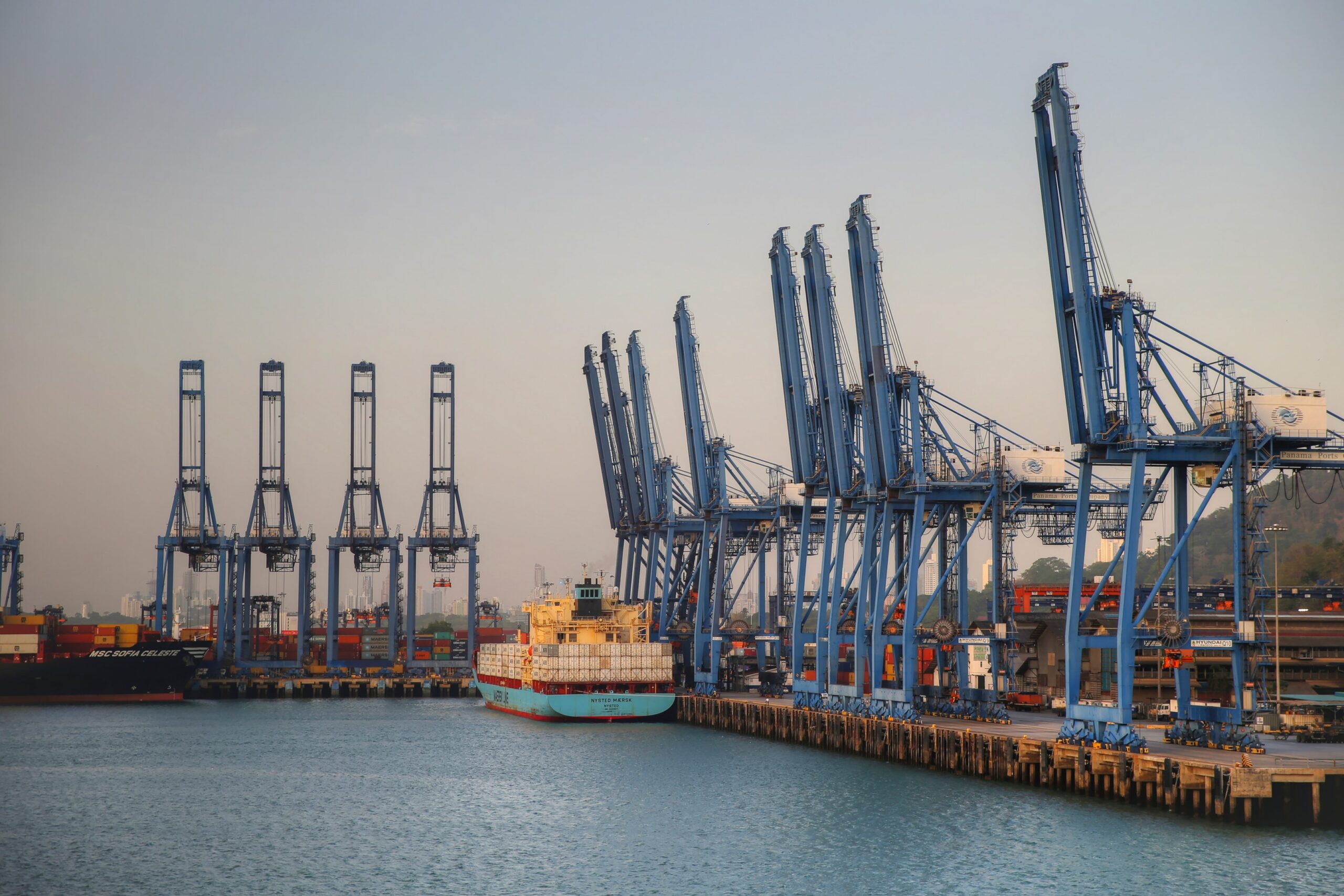
Sailing Toward the Future: India’s Maritime Opportunity
India’s coastal shipping sector is entering its most promising phase. With new legislation, stronger infrastructure, digital transformation, and rising industry interest, the nation is building an efficient, sustainable, and globally aligned maritime framework.
A well-developed coastal ecosystem will:
-
Reduce logistics costs
-
Ease pressure on roads and rail
-
Build resilient supply chains
-
Boost domestic industries
-
Support coastal economic clusters
-
Improve efficiency across the shipping network
-
Create thousands of jobs
-
Advance national carbon reduction goals
The future of India’s coastlines is not just about moving cargo; it is about shaping a stronger, greener, more connected maritime nation.
FAQs
1. Why is coastal shipping important for India?
It offers low-cost, energy-efficient transport, eases pressure on highways and railways, and boosts connectivity for coastal states.
2. What makes the Coastal Shipping Act 2025 significant?
It modernizes outdated rules, simplifies licensing, promotes domestic fleets, and strengthens digital oversight for faster, safer coastal shipping operations.
3. What are the main challenges today?
Infrastructure gaps, regulatory complexity, and limited awareness among shippers continue to slow coastal shipping growth.
4. How does coastal shipping support sustainability?
It reduces fuel use and emissions compared to road transport, making it a cleaner, more sustainable option for moving cargo.
5. What future potential does the sector hold?
With stronger infrastructure, digital systems, and policy support, India can expand cargo volumes, generate employment, and build a resilient coastal logistics ecosystem.