
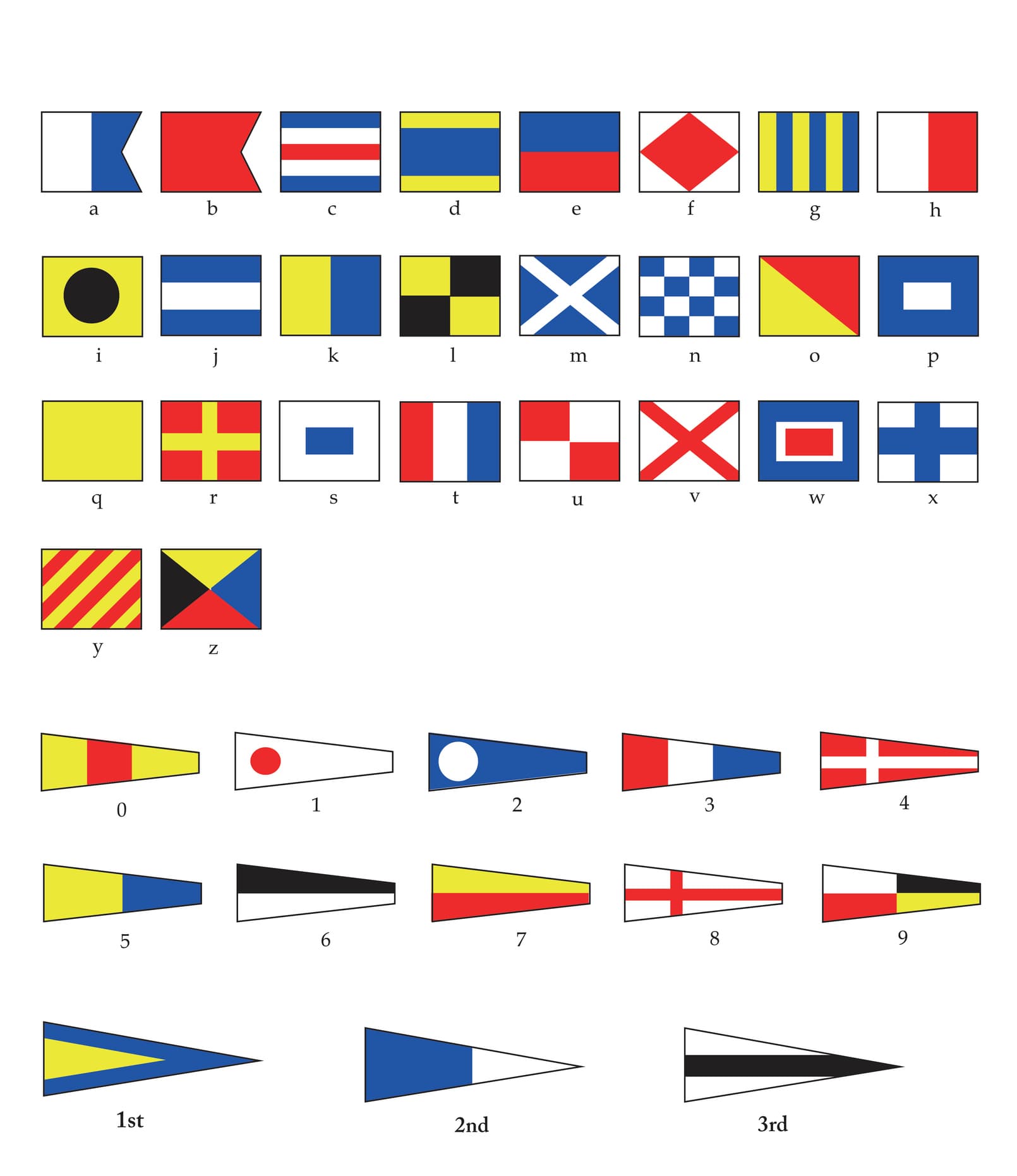
In the global maritime industry, where vessels operate across vast distances and diverse regions, effective communication is critical. Ships must communicate effectively despite language barriers, technical limitations, and unpredictable conditions at sea. This is where the International Code of Signals (ICS) plays a vital role.
The international code is a standardised system designed to ensure seamless communication between merchant ships, naval ships, and shore stations. Using signal flags, Morse code, sound signalling, and radio communication as transmission methods, it enables vessels to convey messages related to safety, navigation, and operations.
Even in an era of advanced communication systems and mobile networks, the code of signals continues to support maritime safety, ensuring consistent interpretation and navigational safety across global waters.
What is the International Code of Signals?
The International Code of Signals is a globally recognized international system used for maritime communication. It allows vessels to exchange important messages using:
-
Signal flags and nautical flags
-
Code flags and flag communication
-
Morse code and sound signals
-
Radio communication, alongside systems like standard maritime communication phrases
Each signal corresponds to a specific meaning, ensuring clarity even when communication barriers exist.
The system evolved through global naval coordination during and after the World Wars and is aligned with global maritime safety frameworks. It was officially implemented worldwide on 1 January 1934, introducing additional flags and strengthening its focus on safety and medical communication.
How does Maritime Signalling Work?
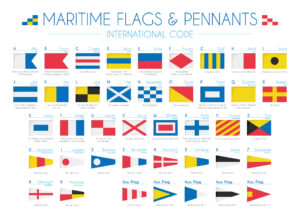
The ICS uses a standardized alphabet of international flags to function as a standardized communication system at sea.
Single Flag and Single Letter Signals
Each single flag represents a letter and a predefined meaning. These are often used for urgent instructions and navigational communication.
Two Letter Signals and Three Letter Signals
Most communication in the ICS relies on two letter signals. In some cases, extended combinations, including three-letter signals, are used to convey more specific messages such as operational updates or safety-related information.
Numeral Pennants and Substitute Flags
Numbers are conveyed using numeral pennants, including ten numeral pennants for accuracy. Substitute flags are used to repeat characters when required, ensuring clarity in messaging.
Morse Code and Radio Communication
ICS messages can also be transmitted via Morse code or radio communication, ensuring redundancy when visual signalling is not possible.
Types of Signals Used in Maritime Communication
Visual Signalling (Flag Signals)
-
Signal flags and nautical flags
-
Hoisting flags for visibility
-
Used for ship recognition & coordination
Sound Signals
Sound signals complement maritime signalling systems, especially in conditions of low visibility. They support
navigational awareness, traffic flow management, and vessel movement at slow speed.
Radio Communication
Ships transmit ICS messages via radio communication to share updates, coordinate with port authorities and shore stations, and maintain operational clarity.
These systems work together to ensure effective communication even in challenging maritime environments.
Medical Signal Codes and Emergency Communication

Code: AN – The flags can also be used in combination to communicate specific messages. For example, hoisting the Alfa (A) and November (N) flags together (AN) signals “I need a doctor.” Image Source: Shipping And Freight Resource
A key strength of the international code of signals is its role in emergencies.
Medical Signal Codes
Ships can:
-
Request urgent medical advice
-
Require medical assistance
-
Share health conditions using structured signals
Distress Signals


Code: AC – I am in distress and require immediate assistance (Distress signal). Image Source: Wikipedia
The ICS supports distress-related communication by allowing vessels to share critical information such as their condition and distress position. This operates alongside primary distress systems such as GMDSS, supporting structured communication during emergencies.
Handling Dangerous Situations
Signals are used for:
-
Carrying dangerous goods
-
Reporting fire or onboard hazards
-
Supporting emergency response coordination
These capabilities make ICS an important tool in maintaining maritime safety.
Why the Code of Signals Still Matters
Backup When Communication Systems Fail
If modern communication systems fail, flag communication and Morse code provide a reliable alternative, ensuring continuity.
Overcoming Language Barriers
The ICS functions as a universal communication system, enabling consistent interpretation across vessels from different regions.
Training and Accuracy
Seafarers are trained in the use of the code of signals, as incorrect signalling – especially during emergencies – can lead to serious consequences. Accuracy and familiarity with the system are essential for safe operations.
Standard Across the Maritime Industry
From merchant ships to naval ships, the ICS is widely standardized and internationally recognized, ensuring uniform communication practices across the maritime industry.
Conclusion
The International Code of Signals remains a critical framework for maritime communication. By combining visual signalling, radio transmission methods, Morse code, and standardized messaging, it ensures vessels can communicate effectively, manage emergencies, and maintain maritime safety.
As global shipping becomes more complex, the importance of a standardized system like the ICS continues to grow – ensuring clarity, coordination, and safety across every voyage.
FAQs
1. What is the International Code of Signals used for?
The International Code of Signals is used for maritime communication, allowing ships to convey messages related to safety, navigation, and operations using signal flags, Morse code, and radio transmission methods.
2. Why are signal flags important in maritime signalling?
Signal flags and nautical flags enable visual signalling, helping ships communicate instantly, especially when communication systems fail or in situations requiring immediate clarity.
3. What are medical signal codes in the ICS?
Medical signal codes allow vessels to request urgent medical advice, seek medical assistance, and communicate health-related emergencies using standardized signals.
4. How does the International Code of Signals improve maritime safety?
The code of signals enhances maritime safety by enabling effective communication, reducing misunderstandings, and supporting emergency coordination alongside systems like GMDSS.
5. Is the International Code of Signals still relevant today?
Yes, the international code remains essential in the maritime industry as a backup communication system, helping overcome language barriers and ensuring globally consistent signalling practices.