
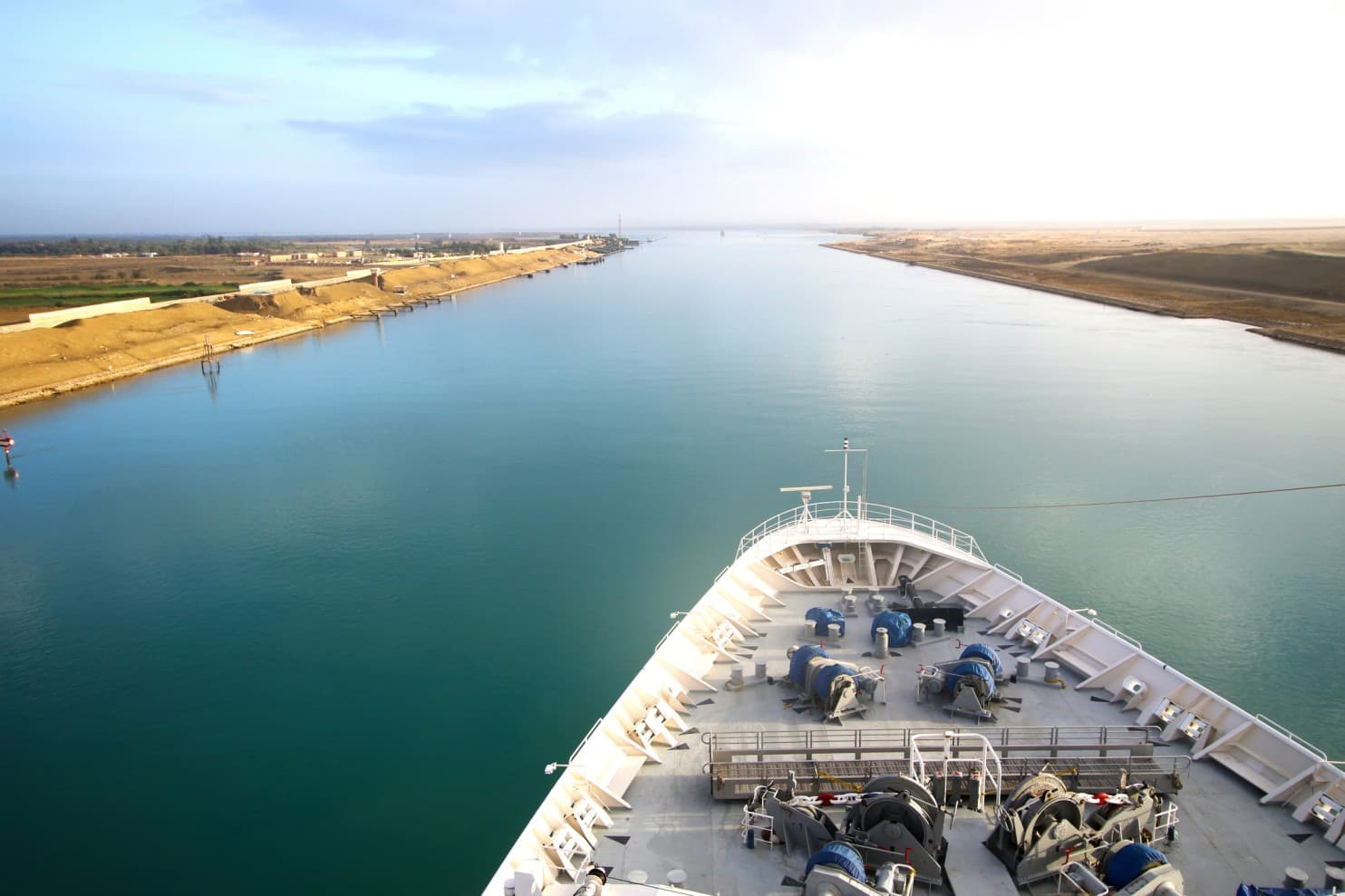
The Persian Gulf remains one of the most important maritime corridors for global oil transportation. Large volumes of petroleum, natural gas, and other raw materials move through this region every day, linking producers in the Middle East with consumers across Asia, Europe, and the wider world.
Within this system, Iran’s own oil exports continue to play an important role in global energy markets. Despite sanctions and political pressures, Iranian oil still moves through tanker routes in the gulf, carried mainly by oil tankers operating in complex trading conditions.
The ongoing conflict in Iran has disrupted global energy supplies, particularly affecting oil exports through the Strait of Hormuz.
The evolving situation in the region, including the ongoing conflict involving Iran and Israel, has increased operational risks for vessels and seafarers navigating nearby waters. Insurance costs have increased, freight rates have become more volatile, and shipping operators are monitoring developments closely.
For the maritime industry, the focus remains on safe navigation, regulatory compliance, and the protection of crews working at sea.
A Brief Context: Iran and the Global Oil Trade
Iran has been part of the global oil trade for more than a century. Over time, its oil production has supported both domestic economic development and international energy markets.
Today, Iran’s own oil exports are estimated at around 1.5 million barrels per day, even under sanctions. Much of this oil moves through the Persian Gulf, making tanker shipping a key link in the global energy infrastructure network.
Low production costs allow Iranian oil to be sold at discounted prices, which helps maintain demand among some buyers. This continued flow of petroleum helps meet global energy demand, particularly in fast-growing economies in Asia.
The current situation affecting Iran’s own oil exports has developed gradually over several years.
2018
Sanctions targeting Iranian oil exports were reintroduced after the United States withdrew from the nuclear agreement.
2023–2024
Exports gradually increased again through indirect trading networks. China became the largest buyer of Iranian oil, while ship-to-ship transfers increased in regional waters.
Late 2025
Regional tensions increased, with the conflict involving Iran and Israel affecting security conditions across parts of the Middle East.
Early 2026
Shipping operators began adjusting tanker routes in response to increased security concerns in parts of the Persian Gulfand nearby maritime areas.
Throughout this period, tanker operations continued, but the level of operational risk for ships and crews increased.
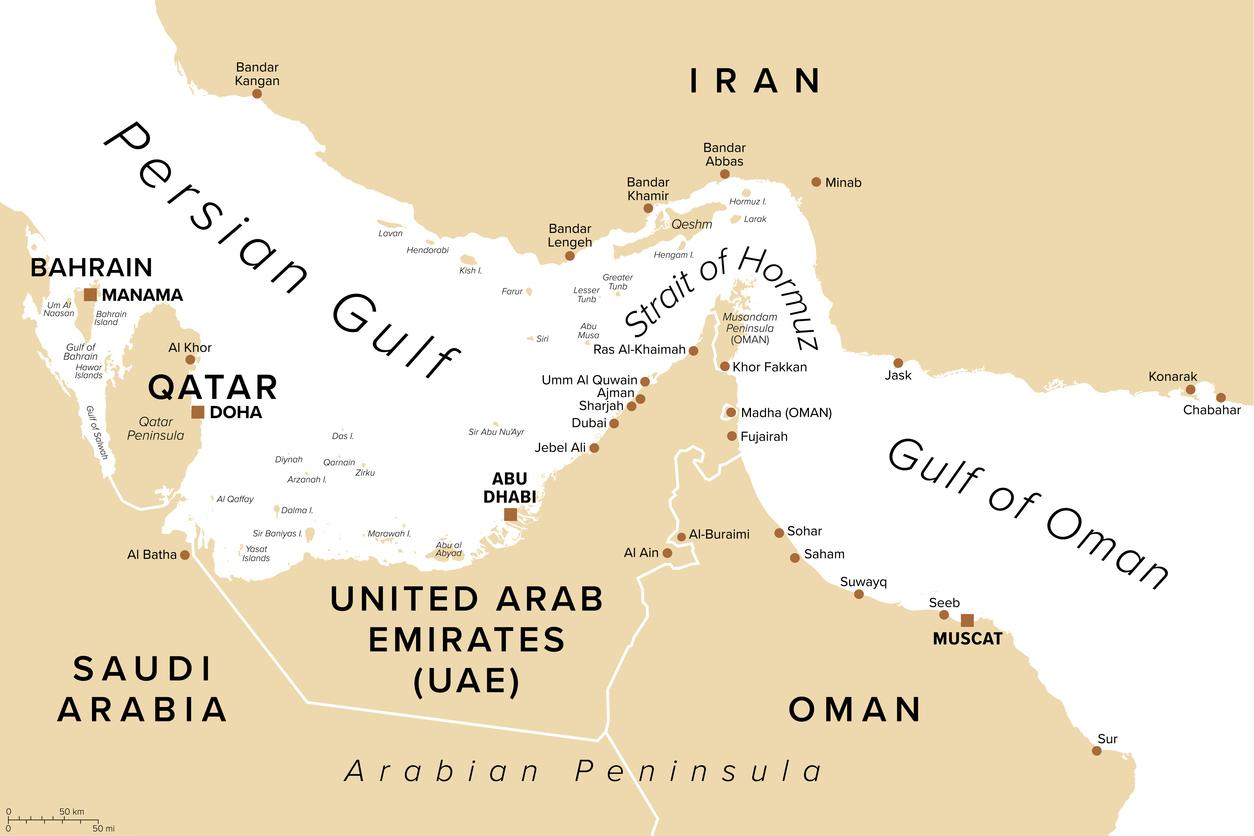
Most Iranian oil shipments depart from terminals located along the Persian Gulf coastline.
From these loading terminals, oil tankers typically pass through the Strait of Hormuz, a narrow passage connecting the gulf with the Indian Ocean. This route is one of the most important shipping lanes in the world, carrying a large share of global oil exports.
Once outside the Persian Gulf, tankers usually sail toward Asia, where demand for energy continues to grow. The majority of Iran’s own oil exports currently move toward China, which remains the largest buyer.
Occasionally, cargo is transferred between vessels offshore before continuing to its destination. These ship-to-ship transfers are used in parts of the region to manage regulatory and logistical challenges.
Global demand for oil and natural gas continues to grow as economies expand and industrial activity increases.
Many countries depend on imported energy to support economic growth, manufacturing, and transportation systems. In this context, Iranian oil remains relevant to global supply chains.
Refineries in Asia, particularly in China, continue to process Iranian petroleum because of its competitive prices. Smaller volumes also move through trading networks connected with Iraq, Syria, and other markets.
These trade flows help balance global supply and demand, which in turn affects energy prices, oil prices, and industrial costs worldwide.
For shipping companies, operating near Iran’s own oil exports requires careful compliance management.
Sanctions remain in place against the Iranian regime, and regulatory authorities—including the Directorate General of Shipping in various countries—continue to monitor tanker movements.
Operators are generally advised to conduct strong due diligence when accepting cargo, charterers, or voyage instructions. This helps avoid exposure to compliance risks associated with sanctioned trade.
Because the region is closely monitored by relevant ministries and international authorities, shipping operators must ensure transparency and accurate documentation when operating near these trade routes.
The current conflict in the Middle East has increased operational uncertainty in parts of the region.
Reports over the past year indicate that tensions involving Iran and Israel have affected security conditions across parts of the Persian Gulf and nearby waters.
For the maritime sector, these developments mainly influence:
-
Insurance costs for tanker voyages
-
Route planning for vessels
-
Monitoring of maritime security alerts
-
Increased operational caution for shipping companies
War risk premiums have increased for vessels operating in parts of the Gulf, which has contributed to rising freight rates in the tanker market.
At the same time, global oil prices have shown sensitivity to developments in the region, since disruptions to Iran’s own oil exports could affect supply in global energy markets.
Effects on Seafarers
For seafarers, including many Indian seafarers, working in the Persian Gulf region requires heightened awareness.
Tankers and other vessels operating in these waters must follow updated security guidance and maintain clear communication with shore teams.
Shipping operators focus on ensuring that crews receive:
-
Voyage security briefings
-
Updated route information
-
Emergency response procedures
-
Continuous monitoring of developments in the region
The maritime industry recognizes that seafarers are at the centre of these operations, and their safety remains essential to maintaining global oil transportation.
Implications for Shipowners and Charterers
The evolving situation has created several operational challenges for shipowners and charterers.
Key considerations include:
-
Volatile freight rates for tanker routes
-
Increased insurance costs
-
Route adjustments affecting voyage duration
-
Ongoing compliance monitoring
At the same time, demand for tanker capacity may rise when longer routes are required or when shipping patterns shift.
These developments highlight how closely global shipping is linked to events in the Middle East and the wider energy markets.
Future Outlook
Looking ahead, the future of Iran’s own oil exports will depend largely on how the conflict in the region develops.
If tensions continue or expand into a prolonged conflict, tanker operations in the Persian Gulf could face additional disruptions.
However, if stability improves, Iranian oil could return more openly to international energy markets, increasing supply and stabilizing oil prices.
For now, shipping operators, regulators, and energy companies will continue monitoring developments closely.
Nautilus Shipping: Supporting Seafarers and Safe Operations
At Nautilus Shipping, the wellbeing of seafarers is always our top priority.
We understand the realities faced by crews working on oil tankers and other vessels operating in the Persian Gulf and across the Middle East.
Our teams monitor the evolving situation in the region closely and provide operational guidance to ships navigating these waters. This includes voyage planning support, compliance monitoring, and safety updates.
Shipping through the gulf requires constant awareness, careful planning, and respect for the challenges faced by crews at sea.
By supporting safe navigation and responsible operations, the maritime industry can continue ensuring that global oil transportation remains reliable—even during periods of uncertainty.
FAQs
1. Why are Iran’s oil exports important for global shipping?
Iran’s own oil exports remain an important part of global energy markets because they contribute to the overall supply of oil and petroleum moving through the Persian Gulf. Even under sanctions, these exports influence tanker demand, freight rates, and shipping activity across the Middle East.
2. How does the conflict in the Middle East affect tanker operations?
The current conflict in the region has increased operational risks for vessels transiting the Persian Gulf. Shipping companies must consider higher insurance premiums, changing security conditions, and possible route adjustments when moving oil tankers through these waters.
3. Which countries buy most Iranian oil today?
At present, China is the largest buyer of Iranian oil, with most shipments moving toward refineries in Asia. Smaller volumes are also reported to reach markets connected with Iraq and other regional trade networks.
4. Why does the Strait of Hormuz matter for global oil transportation?
The Strait of Hormuz, located between the Persian Gulf and the Indian Ocean, is one of the most critical maritime chokepoints in the world. A significant portion of global oil supply moves through this passage every day. Any disruption in the region can quickly influence oil prices and global energy prices.
5. How do rising oil prices affect the global economy?
When oil prices rise, energy prices usually increase as well. This affects transportation, industrial costs, and household consumer spending. Countries that rely heavily on imported energy, including India and South Korea, may experience stronger economic pressure during periods of higher prices.
6. What precautions do shipping companies take when operating in the region?
Responsible shipping companies apply strict compliance procedures when operating near Iran’s own oil exports. These include verifying cargo origins, monitoring sanctions lists from relevant ministries, and following maritime safety guidance to reduce operational risks.