
Operations involving entering enclosed spaces remain one of the most serious safety risks in maritime operations. Every year, accidents in enclosed spaces onboard ships continue to cause injuries and fatalities across the industry.
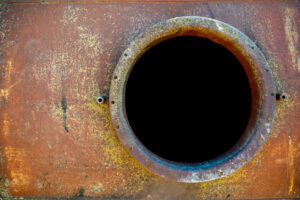
Spaces such as cargo holds, ballast tanks, cofferdams, double bottoms, and duct keels are typical enclosed spaces found on vessels. These areas are not designed for continuous human presence, and dangerous conditions can develop quickly due to limited ventilation, cargo residues, or chemical reactions.
Recognizing the continued risks associated with enclosed space entry, the International Maritime Organization adopted MSC 581 110, introducing revised recommendations for entering enclosed spaces aboard ships. These revised recommendations replace the earlier Resolution A.1050(27) and aim to improve safety through stronger risk assessment, better training, and clearer enclosed space entry procedures.
Enclosed Spaces Onboard Ships
Many parts of a vessel qualify as enclosed spaces onboard ships. These include:
-
Ballast tanks
-
Cargo holds
-
Cofferdams
-
Pump rooms
-
Chain lockers
-
Void spaces
-
Double bottom tanks
These enclosed spaces often have restricted entry points, limited airflow, and structural layouts that make movement difficult. Because of this, entering enclosed spaces requires strict entry procedures and careful planning.
A hazardous atmosphere can develop inside such spaces due to rusting steel, cargo decomposition, or trapped vapors. Even when ventilation has been carried out, gases may remain in connected and adjacent spaces, making it unsafe to assume that a safe atmosphere exists without proper testing. After ventilation, it is essential to evaluate any hazards remaining in the space, including checking for conditions present such as residual pressure, temperature differences, and atmospheric pressure.
Before removing an entrance cover, it is important to assess for residual pressure and other hazardous conditions to ensure safe access for workers.
Why Entering Enclosed Spaces Is Dangerous
One of the main reasons enclosed spaces are dangerous is the presence of invisible atmospheric hazards.
Some common potential hazards include:
-
Oxygen deficiency, which can cause rapid loss of consciousness
-
Presence of toxic gases such as carbon monoxide
-
Accumulation of carbon dioxide in poorly ventilated areas
-
Build-up of flammable gases creating a flammable atmosphere
Vapor concentration and the specific gases identified during atmospheric testing are critical factors in determining if a hazard exists before entry.
These conditions can develop quickly and without warning. A hazardous concentration of gases may also migrate from nearby compartments through pipelines, access trunks, or structural openings connecting adjacent spaces.
Risk of Accidents During Enclosed Space Entry
Many accidents related to enclosed space entry occur when crew members conduct inspections or attempt rescue operations without proper preparation. Employers must protect employees working in enclosed spaces by monitoring employees and ensuring that procedures are in place for the entrant’s escape in case of emergency.
In several cases, a crew member collapses shortly after entering enclosed spaces due to oxygen deficiency or exposure to toxic gases. Other crew members then rush in to help, often without proper protective equipment or breathing apparatus.
Without proper planning, this can lead to multiple casualties. Proper emergency planning ensures that if an incident occurs, safe rescue operations can be conducted without exposing additional crew members to danger.
Risk Assessment: Existing Guidance Before MSC 581 110
Before the introduction of MSC 581 110, ships followed earlier recommendations for entering enclosed spaces under Resolution A.1050(27).
These guidelines required several important safety practices:
-
Conducting oxygen testing before entry
-
Using a direct reading meter to detect gases
-
Ensuring proper forced air ventilation before entry
-
Maintaining an attendant outside the space to monitor employees
-
Issuing an entry permit before routine entry
Additionally, evaluating potential hazards and implementing a continuous monitoring program were essential. Test instruments used for atmospheric monitoring were required to have a minimum accuracy (e.g., ±10 percent) and to collect reliable data samples to ensure safe entry conditions.
While these guidelines significantly improved safety, accident investigations showed that incidents still occurred due to incomplete risk assessment, poor communication, or lack of awareness about connected and adjacent spaces.
IMO Update: What Has Changed Under MSC 581 110
MSC 581(110) strengthens the revised recommendations by introducing stricter atmospheric testing (including oxygen, flammable and toxic gases, CO, and CO₂), clearer definitions of adjacent/connected spaces, mandatory risk assessment by a competent person, and a prohibition on single-person entry into enclosed spaces.
What Needs to Be Checked During Inspections
With the implementation of MSC 581 110, inspections now place greater focus on compliance with enclosed space entry procedures. Inspectors will also check that the entry conforms to applicable safety standards and that the section covers enclosed spaces as defined by the regulations.

During safety audits or port state control inspections, authorities may review:
-
The vessel’s enclosed space register
-
Documentation of risk assessment procedures
-
Compliance with permit space entry requirements
-
Crew training related to entering enclosed spaces
All activities in enclosed spaces conducted onboard must follow the updated procedures, and a determination called by the competent person is required before entry.
Inspectors may also check whether ships carry sufficient gas detection equipment capable of detecting flammable gases, carbon monoxide, carbon dioxide, and other toxic gases.
The vessel’s ventilation system and forced air ventilation arrangements may also be reviewed to ensure they can effectively ventilate confined spaces.
In some situations, continuous forced air ventilation may be required to remove dangerous vapors and maintain oxygen levels before entry.
When entrance covers are removed, the opening must be promptly guarded with a barrier designed or a temporary cover to prevent accidental fall or objects entering the space.
The Enclosed Space Register
A key addition under MSC 581 110 is the requirement to maintain an enclosed space register.
This register must identify all enclosed spaces onboard the vessel and include information such as:
-
Location of each space
-
Hazards associated with the space
-
Ventilation requirements
-
Gas testing procedures
-
Emergency rescue arrangements
-
Connected and adjacent spaces
Unlike earlier generic lists of spaces, the enclosed space register must be ship-specific and regularly updated.
This documentation helps crews detect hazardous accumulations, plan ventilation, and ensure that entry into such spaces follows the correct entry procedures.
Ship-Specific Enclosed Space Entry Protocols
A key update in MSC 581 110 is the requirement for ship-specific enclosed space entry procedures. Instead of relying only on generic guidance, vessels must identify all enclosed spaces onboard and document them in an enclosed space register. This register must list each space, its connected and adjacent spaces, known potential hazards, and required safety measures such as forced air ventilation, gas testing, and available rescue equipment.
What This Means for Seafarers
For seafarers, the new revised recommendations highlight the importance of training and awareness when entering enclosed spaces.
Crew members must be familiar with:
-
Gas testing procedures using a direct reading meter
-
Identifying oxygen deficiency or other dangerous gases
-
Monitoring atmospheres while work is being performed
-
Using protective equipment and rescue equipment
It is essential to monitor the atmosphere using a continuous monitoring program and to ensure that the air supply for ventilation comes from a clean source.
An attendant must remain outside the space to monitor conditions and ensure communication with those inside. Training requirements also include first aid training, emergency response planning, and safe use of atmospheric monitoring devices.
What This Means for Shipowners and Operators
For ship operators, MSC 581 110 requires updates to safety management procedures.
Companies must ensure that:
-
A formal enclosed space register is maintained
-
Ship-specific risk assessment procedures are implemented
-
Crew members receive appropriate training in entry procedures
-
Rescue arrangements and emergency response plans are clearly defined
In addition, companies must assess traffic patterns around entry points to prevent accidents during entry and exit from enclosed spaces. The revised recommendations also emphasize the responsibility of organizational leadership in ensuring that personnel are empowered to stop operations if unsafe conditions are detected.
Conclusion
By introducing MSC 581 110, the IMO has strengthened the revised recommendations for entering enclosed spaces, placing greater emphasis on planning, training, and proper risk assessment.
Ultimately, the effectiveness of these revised recommendations depends on consistent implementation by shipowners, officers, and crew. When entering enclosed spaces is approached with careful preparation and adherence to procedures, the risks associated with these environments can be significantly reduced.
FAQs
1. What is MSC 581 110?
MSC 581 110 is an IMO resolution introducing revised recommendations for entering enclosed spaces aboard ships, replacing the earlier Resolution A.1050(27).
2. Why are enclosed spaces dangerous?
Enclosed spaces can contain toxic gases, flammable gases, or environments with oxygen deficiency, creating a hazardous atmosphere that can quickly endanger personnel.
3. What is the enclosed space register?
The enclosed space register is a ship-specific document listing all enclosed spaces onboard, their hazards, ventilation requirements, and safety procedures.
4. What must be tested before entering enclosed spaces?
Atmospheric testing must confirm safe oxygen levels and check for carbon monoxide, carbon dioxide, flammable gases, and other toxic gases before entering enclosed spaces.