
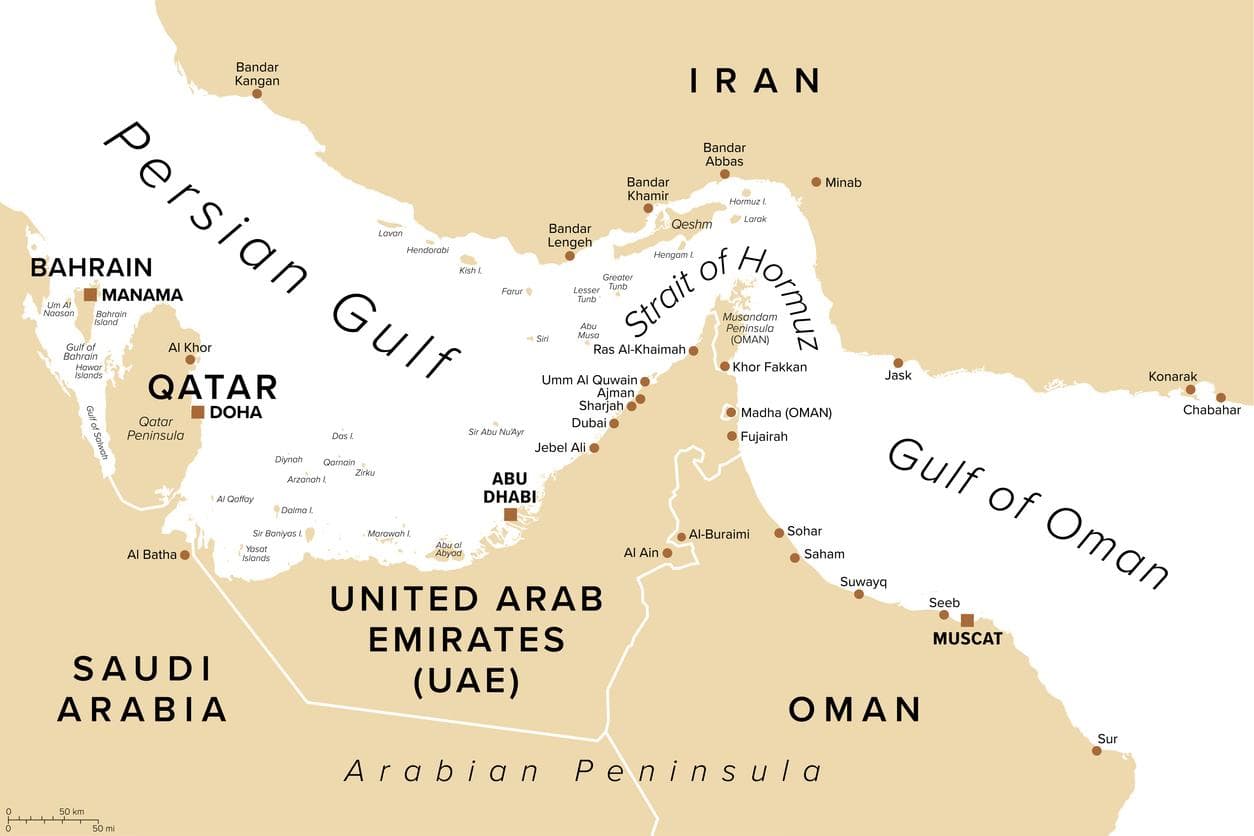
The Strait of Hormuz is one of the most important waterways in the world. For decades, it has been central to international shipping, connecting the Persian Gulf to the wider world. Today, it is also one of the most sensitive areas for seafarers, ships, and shipping companies.
In recent months, the Strait of Hormuz has become a war zone, with rising conflict, attacks, and security threats affecting vessels and crews. For seafarers, this is no longer just a route; it is an area of real risk, where safety and safe passage cannot be taken for granted.
What is the Strait of Hormuz and Why It Matters
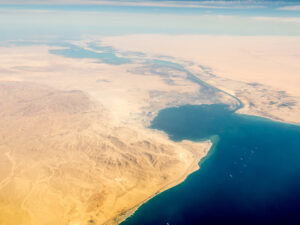
The Strait of Hormuz is a narrow strait between Iran and Oman, connecting the Persian Gulf to the open sea. At its narrowest point, it is only about 21 miles wide, with tightly controlled shipping lanes.
Despite its size, its importance is global:
-
Around 20% of the world’s oil and gas passes through it
-
It is critical for international shipping and the global economy
-
It connects major producers in the Middle East to global markets
Every day, cargo ships, tankers, and other vessels depend on this route for transit.
For the world, it is an economic lifeline.
For seafarers, it is part of their everyday working environment.
History and Strategic Importance in Shipping
The Strait of Hormuz has long been a key route in maritime trade. Its role grew significantly with the rise of oil exports from the Persian Gulf.
In recent years, tensions in the region have increased due to geopolitical issues involving Iran, America, and other countries. This has led to:
-
Increased military presence
-
Monitoring of international airspace and sea routes
-
Occasional disruptions to ships and vessels
The Strait has also been part of major maritime operations, including references to missions like Operation Epic Fury, reflecting how strategic and sensitive this waterway has become.
Why the Strait of Hormuz Matters for Seafarers
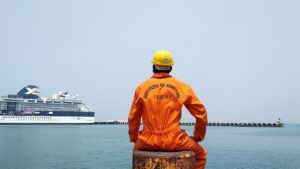
Thousands of seafarers, including many from India, work on cargo ships, tankers, and merchant vessels passing through the Persian Gulf and the Gulf of Oman. In normal times, the focus is on navigation and operations. But today, the situation is different.
Seafarers in this region must deal with:
-
Increased security risks
-
Possibility of attacks
-
Limited safe passage
-
Delays and extended time onboard
The International Transport Workers Federation has raised concerns about the situation, highlighting the growing pressure on crews and the need to protect seafarers working in this war zone.
Current Situation: Conflict and Risks in the Region
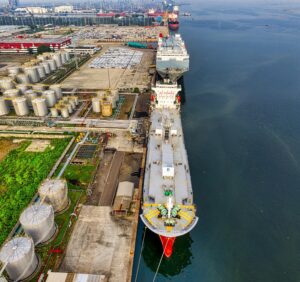
As of 2026, the situation in the Strait of Hormuz remains highly volatile amid the ongoing regional conflict.
-
The area is widely treated as a high-risk or warlike operations zone, with the safety of transit not guaranteed
-
Maritime traffic has been significantly reduced, with many vessels delaying or avoiding passage altogether
-
Hundreds to thousands of ships and seafarers have been affected, with several vessels remaining anchored or rerouted due to risk
-
Multiple incidents involving commercial vessels have been reported, including damage from drones, missiles, and other hostilities
-
There have been confirmed casualties, including injuries and loss of life among seafarers during these incidents
Many shipping companies have reduced or paused operations due to safety concerns. Insurance costs have increased, and shipowners are taking extra measures to ensure crew safety.
Key Facts About the Strait of Hormuz Today
Here are some important facts about the current situation:
-
Around 20 million barrels of oil pass through the Strait of Hormuz daily in normal conditions
-
Vessel movement has dropped sharply due to the conflict
-
Hundreds of vessels are waiting in the Gulf due to safety concerns
-
The region is now considered one of the highest-risk maritime zones in the world
-
International shipping routes are being monitored closely by authorities
These changes are affecting not just ships, but also the wider global economy.
Security, Safety, and Coordination
Ensuring safe passage in the Strait of Hormuz now requires strong coordination between:
-
Naval forces
-
Maritime authorities
-
Shipping companies
-
International organisations
The International Maritime Organization has called for de-escalation and continued support for seafarers.
Efforts include:
-
Monitoring vessel movement
-
Providing escort support in high-risk zones
-
Sharing real-time updates
-
Improving emergency assistance
Despite these efforts, safety remains a major concern for seafarers working onboard.
Impact on Seafarers
The ongoing conflict is having a direct impact on seafarers.
Operational Challenges
-
Delays in transit
-
Longer time onboard due to restricted movement
-
Limited access to repatriation
Safety Concerns
-
Exposure to attacks and threats
-
Working in a declared warlike operations area
-
Reduced certainty of safe passage
Human Impact
-
Stress and uncertainty
-
Isolation while waiting onboard
-
Concerns from families back home
Many seafarers have reached out for help, requesting support and updates on their situation.
What This Means for Shipowners and Companies
For shipowners and shipping companies, the Strait of Hormuz presents both operational and safety challenges.
They must:
-
Monitor the region closely
-
Assess risk before every transit
-
Ensure crew safety and welfare
-
Maintain communication with authorities
Additional measures include:
-
Adjusting routes
-
Providing escort where possible
-
Ensuring emergency response plans are ready
The focus is on balancing operations with safety in a highly sensitive region.
The Future: What Lies Ahead
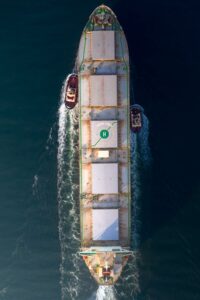
The future of the strait of hormuz depends on how the current conflict evolves.
Possible outcomes include:
-
Continued negotiations to reduce tensions
-
Increased international coordination
-
Stronger safety frameworks for seafarers
For now, the situation remains ongoing, and the priority is clear:
-
Ensure safe passage
-
Protect seafarers
-
Maintain stability in global shipping
Nautilus Shipping remains committed to prioritising the safety and wellbeing of its seafarers in these uncertain conditions. The company continues to uphold strict safety standards, ensure operational caution, and support crews with the guidance and resources needed to navigate high-risk environments responsibly.
Conclusion
The Strait of Hormuz remains one of the most important and challenging maritime routes in the world.
For seafarers, it represents both responsibility and risk. For the maritime industry, it highlights the importance of safety, coordination, and preparedness.
As the conflict continues, the focus must remain on protecting the people onboard, the seafarers, who keep global trade moving, even in the most difficult circumstances.
FAQs
1. Why is the Strait of Hormuz important?
The Strait of Hormuz is a key route for global oil and gas, making it critical for the global economy and international shipping.
2. Why is it considered a warlike operations area?
Due to recent conflict, attacks, and military activity, the area has been classified as a warlike operations area.
3. How does this affect seafarers?
Seafarers face increased risk, safety concerns, delays, and challenges related to repatriation and working conditions.
4. What role do organizations play?
Organizations like the International Transport Workers Federation and IMO provide guidance, support, and advocate for seafarers’ safety.
5. What is being done to improve safety?
Efforts include increased monitoring, naval escort, international coordination, and ongoing negotiations to reduce tensions.