
In the maritime industry, vessel reliability is not achieved at sea alone, it is built onshore through disciplined systems that support maintenance, compliance, and operations. One of the most critical of these systems is ship parts procurement services.
For shipping companies and ship operators, delays or errors in spare parts procurement can lead directly to unplanned downtime, rising procurement costs, voyage delays, and operational risk. A missing valve, seal, sensor, or filter can be enough to stop a vessel from sailing. That is why Nautilus integrates ship spare parts procurement directly into its technical management services for vessels, ensuring that procurement supports operational efficiency rather than disrupts it.
Our approach to shipping procurement is structured, data-driven, and embedded within technical management, allowing vessel procurement decisions to align with maintenance schedules, inventory management, and operational priorities across the fleet.
Learn more about our technical management framework: https://nautilusshipping.com/service/ship-management

Why Ship Parts Procurement Matters in Modern Maritime Operations
Modern vessels operate in an increasingly complex technical and regulatory environment. Equipment is more specialised, compliance requirements are stricter, and margins are tighter. In this environment, spare parts procurement plays a vital role in:
-
Maintaining vessel readiness
-
Supporting planned and preventive maintenance
-
Avoiding unplanned downtime
-
Ensuring timely delivery of critical parts
-
Controlling procurement costs and budgets
-
Supporting safety, class, and regulatory compliance
Without a reliable procurement process, even well-maintained vessels face operational disruption. Procurement therefore, becomes a core operational function — not just a purchasing task.
From Reactive Purchasing to Structured Shipping Procurement
Historically, shipping procurement was reactive. Parts were ordered after failures occurred, often under time pressure, with limited supplier choice and premium pricing. This approach increased costs, extended lead time, and placed unnecessary strain on maritime operations.
Nautilus operates a structured procurement cycle designed to support operational continuity and cost control. Our marine procurement solution integrates procurement into the technical management system so that spare parts procurement is aligned with:
-
Planned Maintenance Systems (PMS)
-
Inventory data and inventory management
-
Maintenance schedules and dry dock planning
-
Budget tracking and approval workflows
-
Supplier selection and vendor management
This allows procurement to shift from emergency response to proactive planning — improving operational efficiency while reducing costs and risk.
How Nautilus Delivers Ship Parts Procurement Services
1. Requirement Planning
Procurement begins with structured planning based on maintenance schedules, inventory thresholds, and operational inputs. This ensures that essential spare parts and ship spare parts are identified before failures occur.
2. Accurate Part Identification
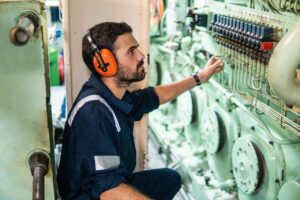
Ensuring accuracy is critical for correct supply and correct delivery. Nautilus uses multiple identification methods, including:
-
Part number
-
Drawing number and single drawing references
-
Article number and material number
-
Position number and basic number
-
Specific machine documentation
This reduces the risk of incorrect parts, incompatible supplies, and wasted time onboard ships.
3. Supplier Selection and Vendor Management
Nautilus maintains a vetted network of potential suppliers and local vendors across key regions and ports. Supplier selection is based on:
-
Supplier performance
-
Certification and quality standards
-
Lead time reliability
-
Pricing consistency
-
Documentation and compliance
Strong vendor management ensures access to reliable suppliers while maintaining flexibility for local orders and regional sourcing.
4. Cost Control and Budget Discipline

Procurement costs are managed through:
-
Budget tracking by vessel and fleet
-
Supplier negotiations and benchmarking
-
Spend analysis using procurement data
-
Lead time optimisation and consolidation
This enables shipping companies to reduce costs and control costs without compromising safety or quality.
5. Controlled Purchasing and Approvals
All purchases follow defined approval workflows and purchasing process controls. This ensures transparency, accountability, audit readiness, and clear financial control over purchase orders and contracts.
6. Logistics and Timely Delivery
Procurement execution is monitored through the entire supply chain, including:
-
Delivery scheduling
-
Port coordination
-
Customs and documentation
-
Last-mile delivery onboard ships
The goal is timely delivery of the correct spare parts at the correct port — aligned with vessel schedules and operational needs.
Integration with Maintenance and Inventory Systems
Procurement at Nautilus does not operate in isolation. It is integrated with:
-
Inventory management systems
-
Procurement modules and software
-
Technical reporting systems
-
Maintenance and dry dock planning
-
Compliance and audit documentation
This integration allows better resource allocation, reduces overstocking, avoids shortages, and improves visibility across fleets and vessels.
Reducing Downtime and Supporting Smooth Operations
 Structured spare parts procurement directly supports:
-
Reduction in unplanned downtime
-
Fewer emergency purchases
-
Lower operational risk
-
More predictable budgets
-
Higher vessel availability
By ensuring correct supply before failures occur, Nautilus helps ship operators reduce downtime and maintain smooth operations across maritime operations and trade routes.
Procurement as a Core Part of Technical Management
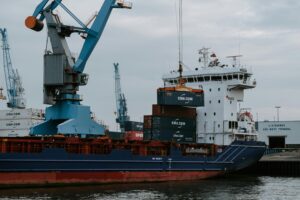
At Nautilus, procurement is embedded within technical management — supporting vessel reliability, cost control, compliance, and long-term asset performance.
Our ship parts procurement services are designed to strengthen the entire management system, not just the purchasing function.
👉 Explore how procurement fits within Nautilus’s technical management services:
https://nautilusshipping.com/service/ship-management
👉 Read more on technical ship management here:
https://nautilusshipping.com/news-and-insights/technical-ship-management-
Conclusion
In today’s shipping industry, reliability is built through systems that prevent disruption — not just respond to it.
Ship parts procurement services play a vital role in maintaining operational efficiency, controlling costs, reducing downtime, and supporting safe, compliant maritime operations. By embedding procurement within technical management, Nautilus helps shipping companies move from reactive purchasing to proactive operational control.
That is how procurement becomes a strategic advantage, quietly protecting vessel performance, budgets, and continuity across the fleet.
FAQs
1. What are ship parts procurement services?
They cover planning, sourcing, purchasing, and delivery of spare parts and technical supplies required for vessel maintenance.
2. How does procurement reduce downtime?
By aligning with maintenance schedules and inventory data so parts are available before failures occur.
3. How is accuracy ensured?
Through structured identification methods using part numbers, drawings, and OEM documentation.
4. How does procurement control costs?
Through budget tracking, supplier negotiations, benchmarking, and procurement data analysis.
5. Is procurement part of technical management?
Yes, it is fully integrated into Nautilus’s technical management services for vessels.