

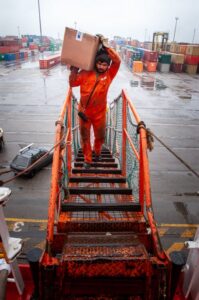
For seafarers, life at sea is built on discipline, responsibility, and long periods away from home. Modern ships operate on tight schedules. This means cargo operations move faster and port calls are shorter.
Unlike other professions, where regular breaks and time off are standard, seafarers often face extended periods onboard with limited access to shore leave, which can significantly impact their wellbeing.
When a vessel berths in port, shore leave offers seafarers a short but meaningful opportunity to step ashore, reset, and return to duty with renewed focus. It supports operational safety, crew morale, and long-term sustainability across the shipping industry.
What is Shore Leave?
Shore leave is the period during which seafarers are allowed ashore while their ship is in port. It may last only a few hours during short port stays, but even limited access to shore can make a significant difference. Whether it is a walk outside the terminal, visiting seafarers’ centres, arranging transport into town, or simply breathing fresh air beyond the gangway, shore leave provides a change of environment that life on board ships cannot replicate.
Under the Maritime Labour Convention (MLC 2006), seafarers shall be granted shore leave to benefit their health and well-being, consistent with operational requirements. According to international standards, seafarers should generally not be required to hold a visa for the purpose of shore leave, although some countries have additional requirements in force that may affect access.
The right to seafarers’ shore leave is therefore recognized as a legal right within international maritime labour standards, and these rights are in force in many countries through national legislation and international agreements. However, the International Ship and Port Facility Security (ISPS) Code, in force since 2004, has tightened access to port areas following 9/11, impacting seafarers shore leave and requiring additional security measures in many countries.
Why Shore Leave Matters

1. Supporting Mental and Physical Health
Seafarers often spend months on vessels without stepping ashore. Extended confinement onboard ships can affect mental health, emotional balance, and overall well-being.
Research conducted by the ITF Seafarers’ Trust and World Maritime University highlights a clear link between regular shore leave and improved mental health outcomes among seafarers.
Access to shore leave allows crew members to disconnect briefly from operational demands, contact family, and reset physically and mentally. This contributes directly to safer performance on board.
2. Strengthening Operational Safety
Health and safety in the maritime industry are closely linked to rest and morale. Fatigue, stress, and isolation can affect attention during cargo handling, navigation, and maintenance work. Allowing shore leave, therefore, supports maintaining alert crews.
Challenges to Shore Leave
Even when shore leave is technically allowed, practical challenges can limit real access.
Today, many port stays are shorter than before. Cargo operations often run around the clock, and crew members may have duties that overlap with available shore time. In some ports, security procedures require additional checks, shore passes, or escort arrangements before seafarers can leave the terminal area.
Visa requirements in certain countries can also create delays. In many countries, foreign seafarers are required to hold a specific crewmember visa for shore access, and different interpretations of visa rules by officials can further restrict access for some crew members. In the U.S., under 33 CFR 105.237, MTSA-regulated facilities must provide seafarers access for shore leave free of charge. In large ports, limited transport options between the vessel and the city may reduce the time available ashore.
Some company and port policies have implemented extra protection measures to ensure seafarers’ access to shore leave, in line with international conventions and regulatory requirements.
When Shore Leave Becomes Limited
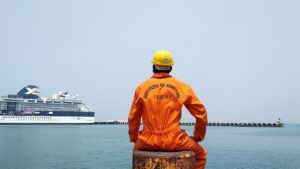
Despite existing laws and MLC regulation provisions, access to shore leave can be restricted in many ports due to operational, regulatory, or security factors.
The COVID-19 pandemic has significantly curtailed shore leave opportunities for seafarers. Many ports continue to maintain restrictive policies developed during the pandemic, often treating seafarers as potential disease vectors. During the transitional period, as restrictions are gradually lifted or modified, ongoing risk assessments and policy adjustments are required to ensure safe and fair access to shore leave. According to the ITF Seafarers’ Trust, there has been a 61% decline in seafarers spending time ashore in seafarers’ centres since the start of the pandemic. Seafarers’ access to shore leave is declining overall, with many spending less than two hours ashore even when leave is granted, often due to short stays and limited time in port.
What Happens When There Is No Shore Leave?
Extended periods without access to shore leave can have measurable effects.
Many seafarers report:
-
Increased fatigue
-
Reduced morale
-
Heightened stress
-
Declining mental health
-
Emotional exhaustion
Research indicates that prolonged confinement onboard ships without stepping ashore correlates with higher stress levels and reduced job satisfaction.
Over time, this can affect:
-
Performance on board
-
Concentration during complex operations
-
Retention within the shipping industry
-
Overall seafarers welfare
The systematic denial of shore leave can also undermine seafarers’ rights and broader human rights principles recognized under maritime labour frameworks.
Seafarers Access to Essential Services
Despite the clear benefits, seafarers’ access to these vital services is often hindered by operational constraints, limited port time, and heightened security measures. In some cases, logistical challenges such as lack of transport or restricted access within port areas, further complicate matters. Nevertheless, ensuring that seafarers can access essential services ashore is not just a matter of compliance; it is a critical aspect of supporting mental health, protecting human rights, and sustaining a resilient maritime industry.
Port-Based Facilities
Under the Maritime Labour Convention(MLC), both port authorities and shipping companies share the responsibility to guarantee that seafarers have access to adequate facilities and services while their vessels are in port. Regulatory bodies such as the US Coast Guard have also taken steps to improve access to shore leave and essential services in US ports, setting an example for global best practices. By investing in robust port-based facilities and ensuring seamless access for seafarers, the maritime industry not only fulfills its legal and ethical obligations but also fosters a healthier, more sustainable workforce, one that is better equipped to meet the demands of life at sea and contribute to the industry’s long-term success.
The Role of Port Authorities and Welfare Organizations
Improving access to shore leave requires coordination across stakeholders. Seafarers’ welfare depends on shared responsibility among welfare providers, regulators, and industry leaders to ensure seafarers can access shore leave safely and regularly.
Seafarers’ centres play a key role in providing access to shore leave and welfare services for seafarers. They provide essential support services including:
-
Access facilities such as Wi-Fi
-
Transport arrangements
-
Communication support
-
Welfare assistance
The Application Process: How Shore Leave Is Granted
The process typically includes:
-
Request by the crew member to the Master
-
Operational review based on the cargo schedule and safety
-
Confirmation from the port authorities
-
Issuance of shore passes if required
-
Transport coordination where terminals are remote
While shore leave is often at the discretion of the Master, companies can support access by factoring crew welfare into voyage planning. Allowing shore leave should align with operational realities while recognizing its importance for crew health.
The Way Forward
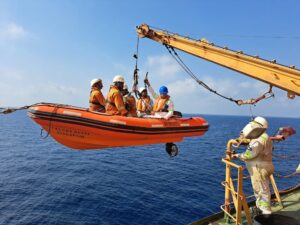
The current crisis in shore leave practices demands an urgent and coordinated response from all stakeholders in the maritime supply chain.
Efforts to improve access to shore leave should involve:
-
Practical coordination during port stays
-
Clear communication of local requirements
-
Reasonable transport solutions
-
Respect for maritime labour obligations
For seafarers, stepping ashore is not about leisure. It is about well-being, dignity, and maintaining readiness to continue the mission at sea.
FAQs
1. What does “granted shore leave” mean?
It means a crew member has received approval from the Master to go ashore during the vessel’s port stay, subject to operational and security requirements.
2. Is shore leave a legal right?
Under the Maritime Labour Convention (MLC 2006), seafarers are entitled to shore leave to benefit their health and well-being, consistent with operational needs.
3. Why is shore leave sometimes denied?
Shore leave may be denied for serious reasons related to safety, public health, or security. However, international maritime labour standards discourage unjustified denial.
4. How does shore leave improve safety?
Research shows that rested, mentally balanced crews perform better, reduce errors, and contribute to safer ship operations.