
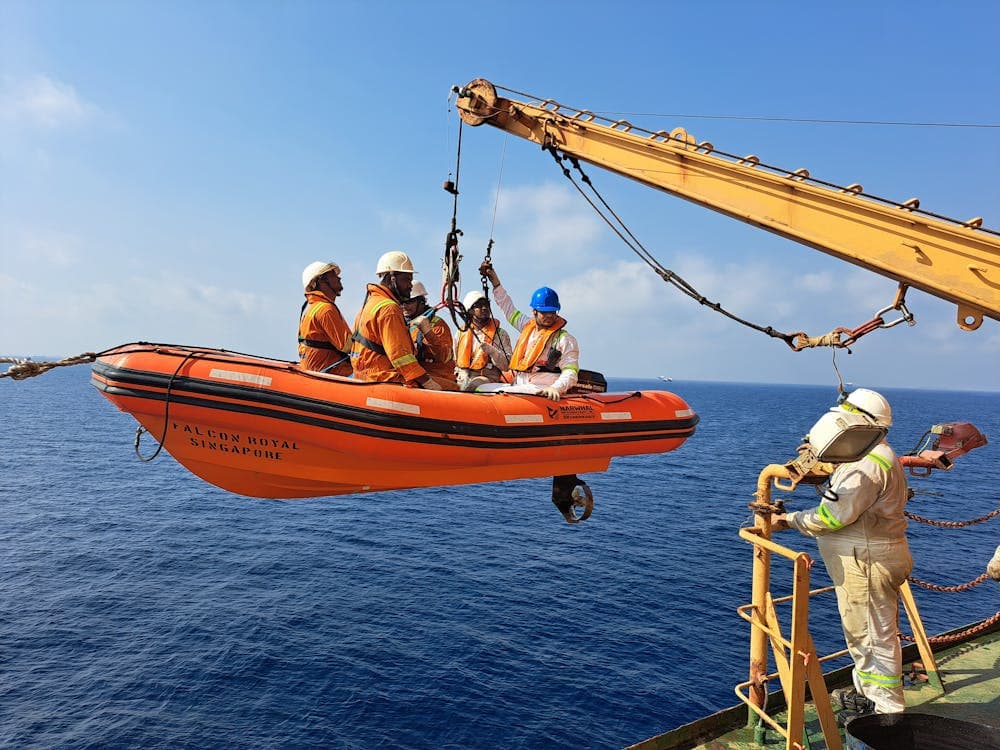
Key Takeaways
-
The cost of a bad hire at sea is higher than ashore because safety, compliance, vessel downtime, and cargo schedules are immediately exposed.
-
A single bad hire can damage the entire team, company culture on board, and brand reputation with charterers and seafarers.
-
Hidden costs include off-hire days, PSC detentions, accidents, cargo claims, insurance premium increases, legal fees, and lost contracts.
-
Nautilus Shipping reduces bad hire costs through crew management, background checks, training, welfare, and cultural fit assessment.
Introduction: Why a Bad Hire at Sea Is More Expensive Than on Shore
A bad hire at sea is not just someone who performs below expectations. In maritime operations, it can mean a seafarer with weak technical skills, false sea-time records, poor English, unsafe habits, or cultural misalignment with a mixed-nationality crew. The true cost of a bad hire grows quickly because the ship is a 24/7 workplace, home, safety zone, and commercial asset.
Recent incidents show the risk. The Golden Ray casualty in 2019, linked to incorrect stability data, caused losses reported at more than USD 200 million by IMarEST. DNV has also reported PSC detentions where ISM implementation and crew certificates remain major issues. Incompetent hires in the maritime industry can lead to safety incidents and regulatory fines, while poor operational management can disrupt global logistics, impacting supply chain effectiveness. Nautilus Shipping works with shipowners across bulk carriers, tankers, container ships, and specialized vessels to prevent these hiring mistakes before they become costly mistakes.
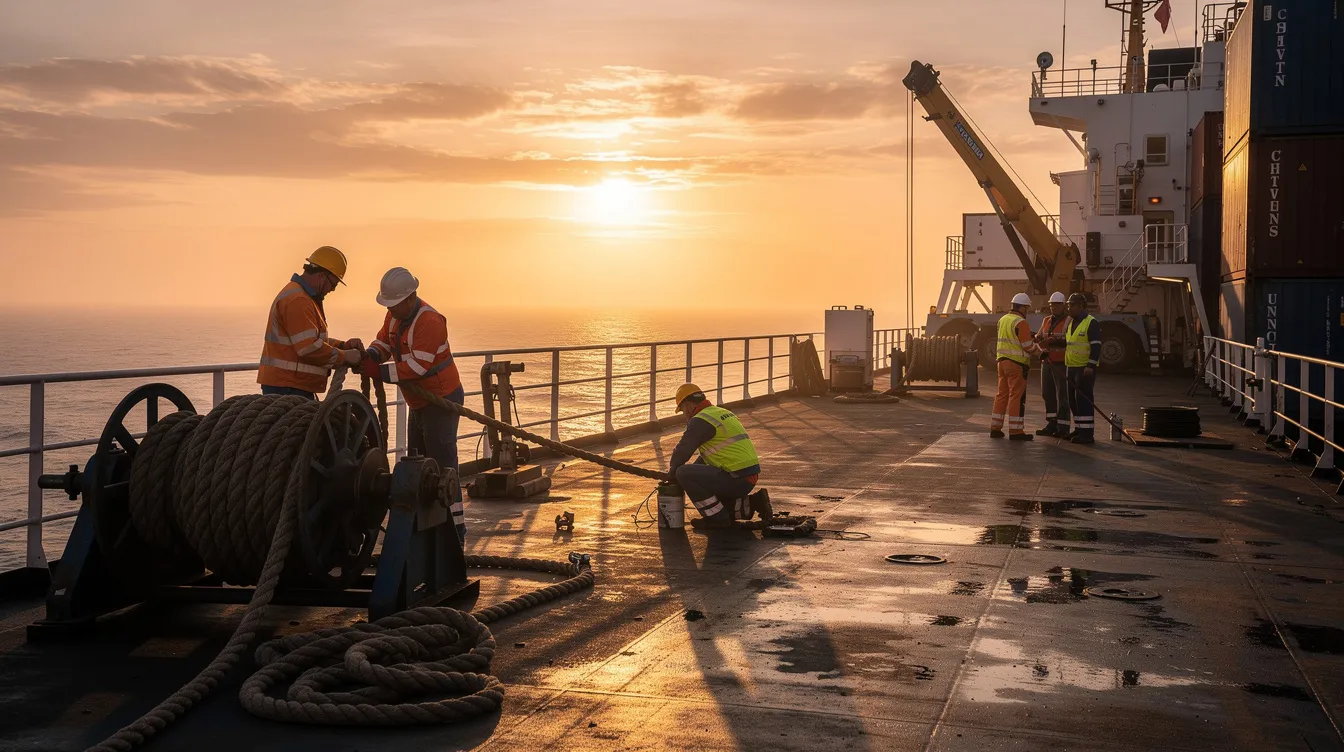
What Does a “Bad Hire at Sea” Really Mean?
A bad hire cost is not only about incompetence. It may involve the wrong person for the rank, insufficient sea time, poor fit with team dynamics, weak documentation, or inability to follow the vessel’s SMS.
Common examples include:
-
A Chief Officer who cannot safely plan cargo or stability operations.
-
An Engineer who misreads manuals and causes machinery damage.
-
An AB who ignores safety procedures during mooring or drills.
-
A disengaged employee whose communication style weakens company culture.
-
A poor culture fit who resists hierarchy, teamwork, or multicultural living.
Maritime personnel require mandatory certifications to work on vessels, but certificates alone do not prove behaviour under pressure. Nautilus Shipping screens for technical competency, culture fit, and clear expectations through structured interviews, certificate checks, resume screening, reference verification, and standardized questions.
The Direct Financial Cost of a Bad Hire at Sea
The visible bad hire costs start with job postings, agency fees, pre-joining medicals, training resources, flights, visas, sign-on travel, and management time. A poor hiring decision can cost at least 30% of a bad hire’s first-year salary; 30% of a bad hire’s first-year salary is a conservative cost estimate. In maritime, a bad hiring decision in the maritime industry can cost between 30% and over 200% of the employee’s annual salary, and replacing a specialized maritime role can cost more than 200% of their annual salary.
Consider a senior tanker officer with a salary of USD 10,000 per month. If the new hire leaves after two months, the owner may lose salary already paid, replacement travel, medicals, training investment, overlap pay, and emergency repatriation of a crew member is costly, especially from remote locations. Replacing an employee can cost between 50% to 200% of their salary; for executive positions, a bad hire can cost up to $240,000, while the average cost of a bad hire is nearly $17,000.
Vessel-specific costs multiply the financial hit:
-
Off-hire: USD 15,000–40,000 per day for many vessels, and more in strong tanker markets.
-
Deviation and port agency fees: often thousands of dollars per change.
-
Missed deadlines: late loading, missed laycans, and charter penalties.
-
Lost productivity: crew members must manage workload if one is unable to perform their duties.
Nautilus Shipping’s crew planning, talent pools, and retention programs reduce repeat mobilization and early repatriation costs.
The Hidden Costs: Safety, Compliance, and Operational Risk
The hidden costs often exceed the invoice. Safety incidents can spike by roughly 21% when ill-suited candidates are placed. A poorly trained crew member or manager can cause vessel downtime, and a bad hire can lead to severe disruptions in global supply chains.
Key risk areas include:
-
Near-misses, minor collisions, enclosed-space errors, and unsafe cargo work.
-
Regulatory violations can lead to vessel detentions and significant fines.
-
Poor English, weak ISM / ISPS knowledge, and documentation gaps before PSC.
-
Vetting consequences, insurance premium increases, and reputation damage.
DNV reported that many detainable deficiencies involve ISM and certification issues in PSC summaries. A single detention can cost tens of thousands of dollars in surveyor fees, repairs, port charges, and off-hire. Nautilus Shipping uses continuous training, competency matrices, STCW/MLC compliance checks, and risk assessments to reduce these exposures.
Impact on On-Board Culture, Entire Team Performance, and Brand Reputation
The human impact is deeply felt. A single bad hire can erode company culture and morale; a single bad hire can erode company culture quickly. One toxic employee can undermine an entire team dynamic, and high performers may disengage due to a bad hire’s presence.
The ripple effect includes:
-
A toxic workplace can lead to high-performing seafarers resigning.
-
Cultural decay can trigger the departure of valuable employees.
-
85% of hiring professionals report bad hires affect team performance.
-
Disengaged employees cost U.S. businesses $450 billion to $550 billion annually.
-
Negative employee reviews can harm your brand reputation.
Client-facing bad hires can lead to lost contracts and accounts. A bad hire can damage client relationships significantly, and rebuilding client trust takes longer than replacing a bad employee. On vessels, charterers notice poor performance, complaints, late reporting, and inspection failures. Nautilus Shipping supports team morale through welfare, fair rotations, timely payroll, and transparent communication.
Case-Based Scenarios: How the Cost of a Bad Hire at Sea Adds Up
-
Product tanker: A mis-hired Chief Engineer causes a minor machinery breakdown. Two days off-hire at USD 30,000 per day, extra bunkers, survey fees, and spares can push the cost above USD 100,000. Strong background checks and technical interviews could have flagged warning signs.
-
Container ship: A poorly vetted OOW misinterprets COLREGs, creating a near-collision and PSC inspection. Additional training, delay, and charterer concern may cost tens of thousands and damage brand reputation. Structured interviews and trial projects, where practical in simulator assessment, help identify red flags.
-
Bulker: A Bosun with poor cultural fit creates conflict, overtime disputes, and a complaint that triggers a flag-state review and legal fees. The entire organization feels the disruption through decreased productivity and turnover. Reference checks and culture fit screening reduce the risk.
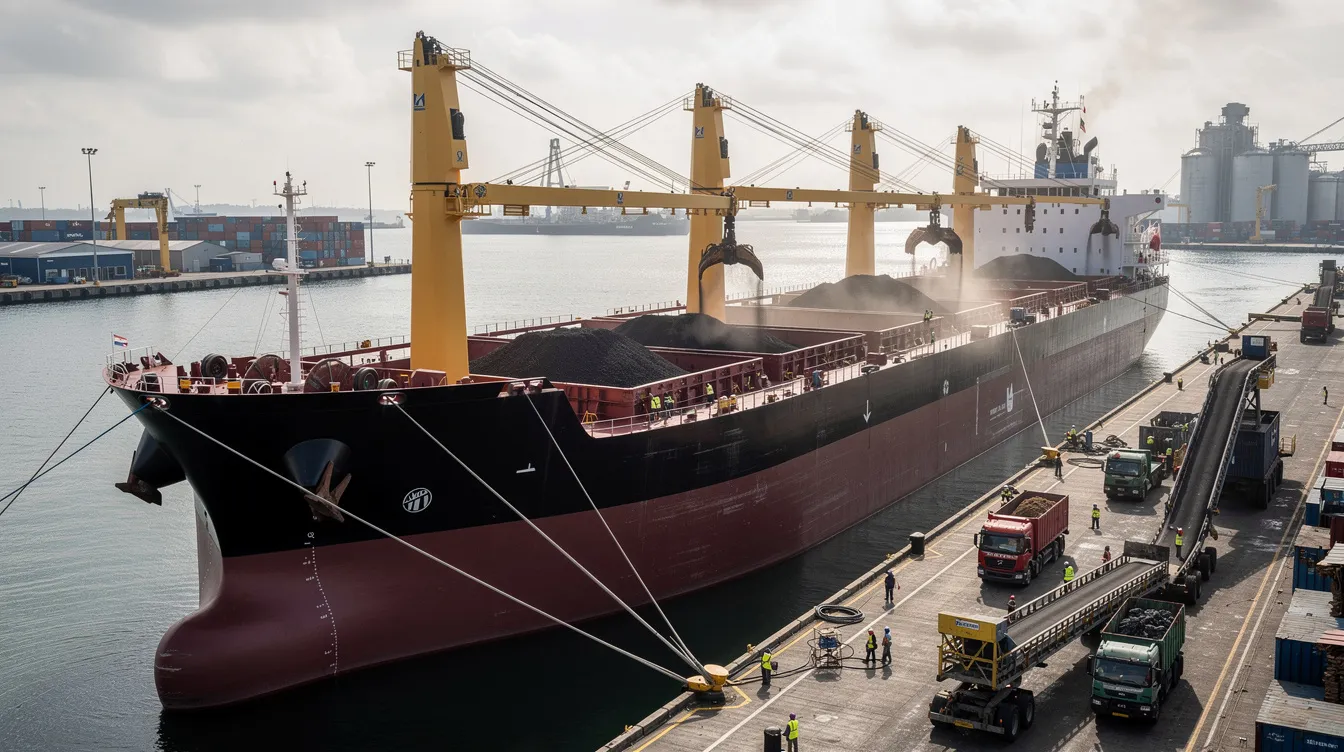
Why Bad Hires Happen in Maritime: Root Causes Specific to Ship Crewing
Most companies and many organizations do not plan to make mis-hires, but pressure changes the hiring process. Rushed hiring processes lead to overlooking red flags in candidates, especially before loading windows, dry-dock dates, or spot fixtures.
Typical causes include:
-
Hire fast pressure instead of hire slow discipline.
-
Over-reliance on CVs, forged certificates, or unverified sea service.
-
Weak background checks when owners self-manage last-minute crewing.
-
Ignoring cultural fit can create friction and disengagement.
-
Fragmented records across agencies, spreadsheets, and email trails.
This is where human resource management in shipping must be systematic, not reactive. Nautilus Shipping’s integrated crew management system centralizes records, appraisals, training history, and compliance data.
How to Calculate the Cost of a Bad Hire on a Vessel
Use a practical formula:
cost of a bad hire at sea = recruitment + mobilization + salary paid + off-hire/deviation + retraining + incident/claim costs + reputation/charter impact
To calculate it:
-
Use the current TCE or charter rate to price off-hire days.
-
Add the employee’s annual salary, annual salary overlap, and employee’s first year earnings already spent.
-
Include training resources, port costs, medicals, visas, and flights.
-
Review PSC history, vetting remarks, near-misses, and insurance claims.
-
Compare the total with the cost of professional crew management.
For many shipowners, the cost of a bad decision reaches hundreds of thousands of dollars before a formal claim is even filed.
Prevention: Hire Slow, Hire Right – Best Practices for Avoiding Bad Hires at Sea
Hiring slowly does not mean delaying operations. It means planning 2–3 months ahead so the hiring manager and crew manager have time to identify the right candidates and top-tier talent.
Use this checklist:
-
Apply structured interviews; structured interviews improve hiring decisions significantly.
-
Use assessments; using assessments can reduce bad hire rates effectively.
-
Validate STCW, flag-state documents, sea service, and medical fitness.
-
Involve multiple stakeholders in hiring improves cultural fit.
-
Test English, technical skills, leadership, and safety mindset.
-
Use structured onboarding increases new hire retention by 82%.
-
Watch for poor performance, poor fit, and early red flags during the first contract.
41% of Gen Z rejected job offers due to value misalignment. Also, 41% of Gen Z and 39% of millennials reject jobs misaligned with values. Even at sea, values matter: safety mindset, welfare expectations, and leadership behavior affect retention.
How Nautilus Shipping’s Crew Management Reduces the Cost of Bad Hires
Nautilus Shipping’s Marine Crew Management Services help shipowners staff vessels with certified, experienced, and motivated professionals. The service covers streamlined recruitment, onboarding, payroll coordination, training, welfare, and ongoing support.
Nautilus reduces bad hire risk through:
-
Established recruitment networks for bulkers, tankers, container ships, and specialized vessels.
-
Centralized digital records of training, performance, appraisals, and certificates.
-
Rigorous background checks, English checks, medical checks, and STCW compliance verification.
-
Retention practices that help good employees, high performers, and high performing employees return.
-
Welfare programs that make a great hire more likely to stay.
For shipowners, this protects safety, continuity, charter relationships, and commercial performance.
Final Thoughts: The Business Case for Getting Crewing Right
These final thoughts are simple: the true cost of a bad hire combines visible expenses and hidden costs across safety, compliance, culture, and commercial reliability. In 2025–2026’s tighter regulatory and chartering environment, top talent and disciplined crewing are competitive advantages.
-
74% of companies made at least one bad hire last year.
-
Bad hires affect teams, clients, vessels, and businesses.
-
The best managers treat crew selection as risk control.
-
Partnering with Nautilus Shipping is often cheaper than absorbing repeated bad hire costs.
Review your current hiring practices, quantify your cost, and build a safer, more reliable crewing model.
FAQs
These FAQs address practical questions shipowners often ask when reviewing crewing risk.
1. How quickly can a bad hire at sea start affecting vessel performance?
Within days. Watchkeeping mistakes, unsafe work habits, repeated corrective instructions, and crew complaints are early warning signs that a new hire may not be suitable.
2. Are background checks really necessary if a seafarer has valid STCW certificates?
Yes. Certificates prove eligibility, not reliability, teamwork, or decision-making under pressure. Nautilus combines certificate verification with references and performance history.
3. What roles on board are most critical to get right from a cost perspective?
Masters, Chief Engineers, Chief Officers, and Second Engineers carry the highest risk because they control safety, navigation, machinery, and cargo. Ratings can also cause major losses if procedures are ignored.
4. Can investing more in crew welfare really reduce bad hire costs?
Yes. Better welfare improves retention, strengthens company culture, and reduces turnover. It also helps good seafarers return across multiple contracts.
5. How can a shipowner start measuring their current cost of bad hires?
Collect 12–24 months of data on early repatriations, off-hire, PSC findings, incidents, complaints, and unplanned crew changes. Then apply the formula above and compare it with a structured crew management solution.