
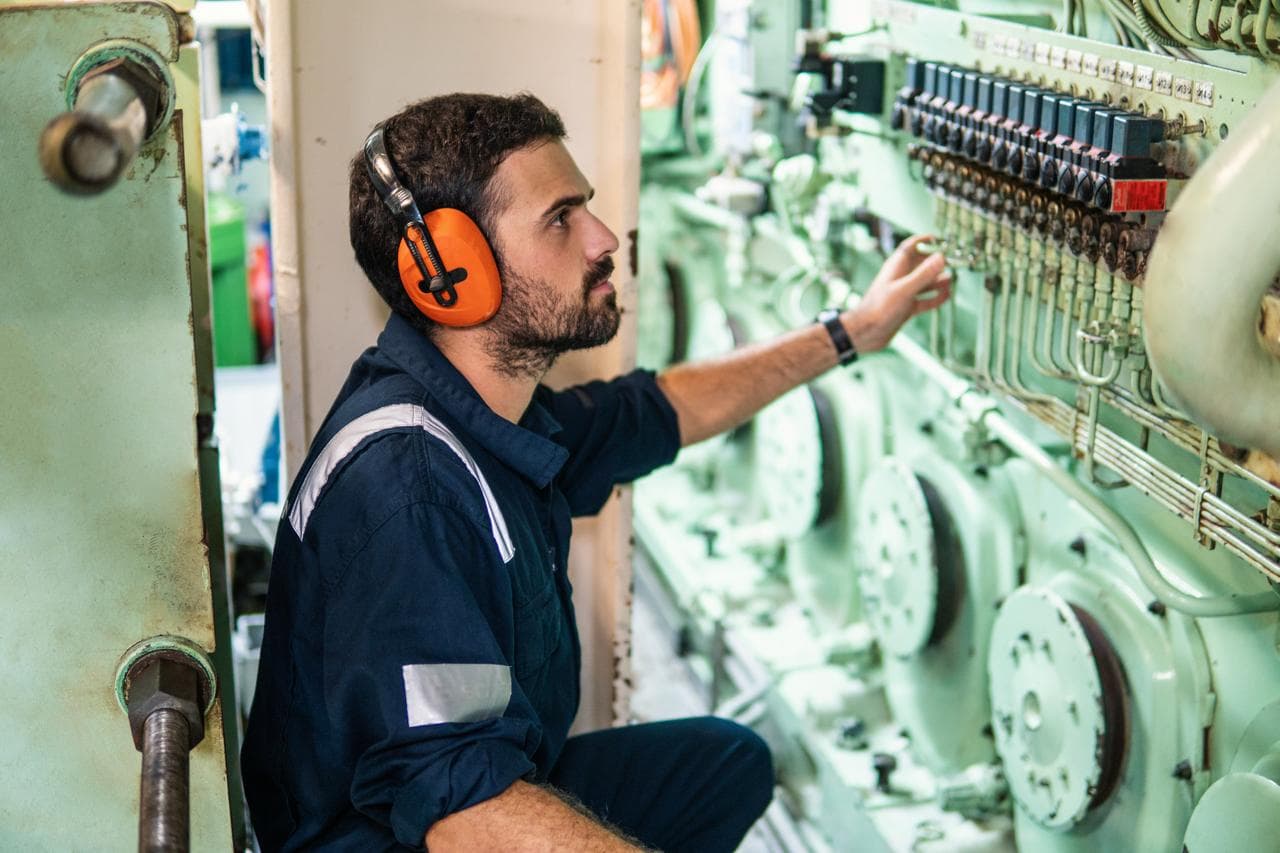
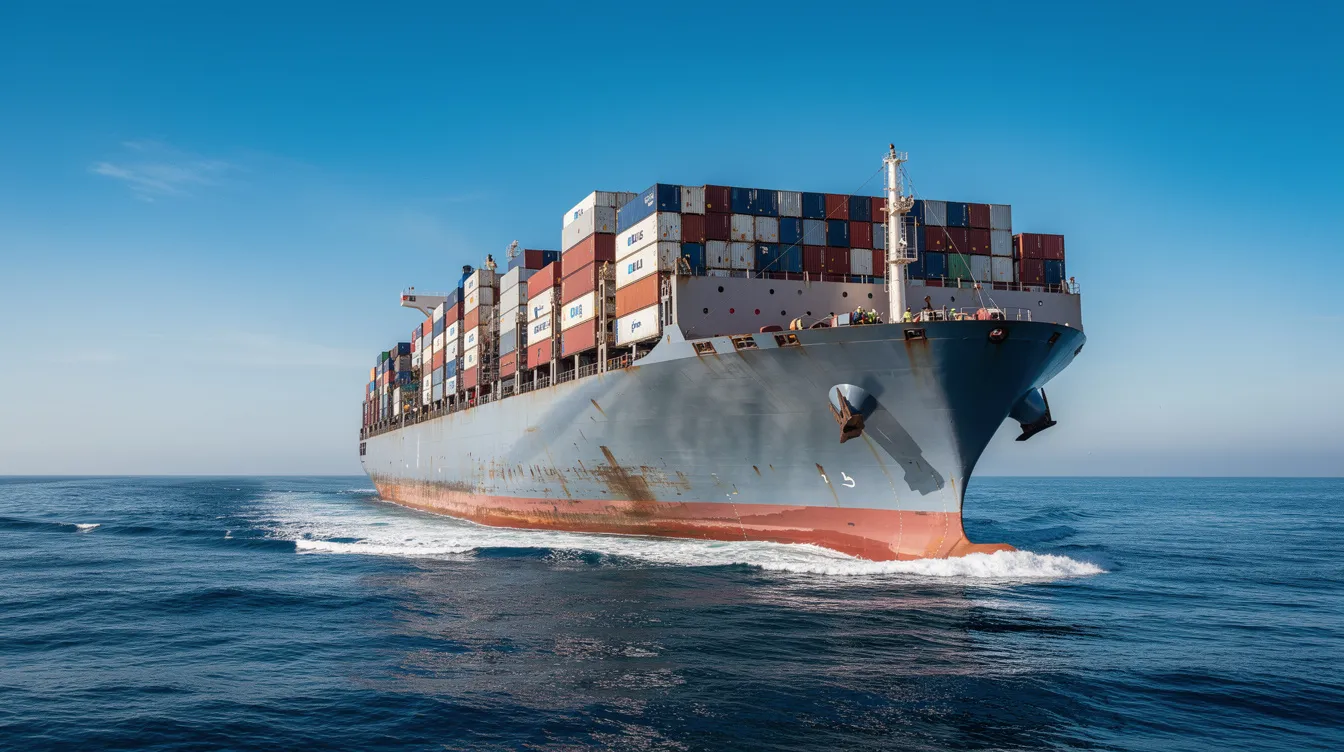
The global maritime industry is facing a turning point. With approximately 1.89 million seafarers serving across more than 74,000 merchant vessels, there is a critical shortage of skilled officers projected at around 89,510 STCW-certified professionals by 2026. Global trade growth continues to increase the demand for maritime professionals, and the global merchant fleet’s expansion increases the need for skilled crews. Major countries supplying seafarers include the Philippines, China, Indonesia, Russia, and India. Russia and Ukraine traditionally contributed a significant number of maritime officers, but recruitment from traditional seafaring nations is declining due to shrinking local workforces. Indonesia and India are expanding their maritime labor markets, while Chinese seafarers are primarily recruited for Chinese-flagged vessels.
Choosing the right country can make the difference between a stagnant career and one filled with growth. This post breaks down the top countries hiring seafarers right now and helps you understand which market fits your skills and goals.
How We Chose the Best Countries for Seafarer Employment
We evaluated each country across seven practical criteria that matter most to seafarers actively searching for shipping jobs:
-
Job availability across ranks and vessel types
-
Salary levels and total compensation, including wages and allowances
-
Visa and work permit accessibility for foreign seafarers
-
Training and certification recognition, including STCW and license endorsements
-
Career advancement opportunities, both at sea and ashore
-
Working conditions and welfare, including MLC 2006 compliance
-
Fleet size and vessel types, from bulk carriers to LNG and offshore
The maritime labor market is influenced by strong government support and rigorous training standards. Governments that invest in maritime education and training create deeper talent pools and more career opportunities for seafarers worldwide. The push for green shipping and stricter environmental standards demands specifically trained officers, adding another layer to how we assessed each country.
Top 7 Countries Hiring Seafarers in 2026
1. Singapore
Singapore offers strong maritime management job opportunities and remains one of the world’s busiest transshipment hubs, hosting thousands of maritime companies in ship management, fleet operations, and technical services. Employers prioritize candidates who blend technical, commercial, and leadership skills.
Why It Stands Out: Regulatory stability, world-class port infrastructure, and a strategic location along Asian shipping routes create a steady market for qualified marine professionals.
Best For: Mid-career to senior officers and engineers seeking high-value roles in commercial operations or technical management.
Key Strengths:
-
High demand for deck officers and engineering specialists
-
Officer salaries ranging from US$60,000 to US$140,000 annually
-
Strong recognition of STCW certificates and international credentials
Possible Limitations:
-
High cost of living during shore time
-
Competitive job market that favors experienced professionals with enterprise-level skills
2. United Arab Emirates
The UAE has significant opportunities in port and shipping jobs, driven by major ports like Jebel Ali and Fujairah, plus extensive offshore oil and gas infrastructure. Recruitment agencies actively seek crew for tankers, offshore support vessels, and rig supply operations.
Why It Stands Out: Tax-free income makes the UAE one of the most financially attractive destinations for seafarers willing to work in the Gulf region.
Best For: Officers and ratings interested in offshore and tanker sector work with favorable pay structures.
Key Strengths:
-
Strong demand for tanker and offshore vessel crews
-
No income tax on earnings
-
Growing maritime infrastructure and expanding port operations
Possible Limitations:
-
Visa requirements and crew change restrictions can cause waiting periods
-
Limited MLC 2006 enforcement raises welfare concerns; seafarers should protect their interests by reviewing contracts carefully
3. Marshall Islands
The Marshall Islands operates one of the largest flags of convenience globally, alongside Panama. Ships registered under the Marshall Islands flag generate demand for certified crew across the world. Seafarer Employment Agreements must align with international standards.
Why It Stands Out: The sheer volume of vessels on the registry means a constant need for STCW-certified professionals across diverse vessel types.
Best For: Officers and ratings seeking international cargo vessel experience with varied employers.
Key Strengths:
-
Massive registry requiring certified crew members
-
Streamlined certification and documentation process
-
Access to jobs on ships operated by international owners
Possible Limitations:
-
Limited shore-based career progression
-
Pay and conditions vary significantly depending on the company and contract
4. Philippines
The Philippines is the largest supplier of maritime officers and ratings in the world. Filipino seafarers currently dominate the global labor market, supported by a robust network of maritime education and training institutions and manning agencies. Filipino seafarers dominate the global labor market today through adaptability, English proficiency, and strong sea time records.
Why It Stands Out: An established pipeline from training to deployment means Filipino seafarers can access opportunities faster than most. Programs encouraging more women into maritime careers are also gaining traction across Asia, including the Philippines.
Best For: Ratings, junior officers, and cadets looking to build sea time and gain experience across vessel types.
Key Strengths:
-
Established maritime education and training programs
-
Extensive network of manning agencies connecting seafarers to global employers
-
Able Seaman salaries of US$1,800–$3,200 per month
Possible Limitations:
-
High competition among seafarers for postings
-
Varying quality of training institutions requires careful selection
5. India
India is the second-largest supplier of officers to the world fleet, with over 200,000 Indian seafarers employed internationally a figure that has grown by approximately 40% since 2020. Backed by the Directorate General of Shipping (DGS), India’s Maritime India Vision 2030 outlines a clear national strategy: modernising training institutes, expanding capacity, adopting digital simulators, and aligning curricula with international STCW standards. India’s new Merchant Shipping Act of 2025 has further improved recruitment procedures and alignment with global maritime standards, cementing the country’s reputation as a source of high-quality maritime talent.
Why It Stands Out: Indian officers are highly regarded worldwide for technical problem-solving and adaptability, and are particularly sought after on European, Norwegian, and specialist LNG or tanker fleets. A significant financial advantage adds to the appeal: Indian seafarers who qualify as Non-Resident Indians (NRIs) — typically achieved by spending more than 183 days outside India in a financial year pay no income tax on earnings made in international waters.
Best For: Officers and engineers at all career stages, particularly those targeting specialist vessel sectors such as LNG, VLCC, or chemical tankers, where Indian officers command premium rates.
Key Strengths:
-
World-class training institutions including the International Maritime Institute (IMI), Samundra Institute of Maritime Studies, with many graduates securing positions with top European operators
-
Tax-free income for qualifying NRI seafarers at Chief Officer level ($7,000/month), this can represent savings of ₹15–25 lakh per year
-
Sustained growth in seafarer engagement over 16 years, with increasing technical specialisation and rising female participation, as documented in DGS Circular 06 of 2026
-
Strong government support through Maritime India Vision 2030 and Amrit Kaal Vision 2047
Possible Limitations:
-
Intense competition for berths, particularly among junior officers and cadets
-
Quality of training institutions varies; candidates should verify DGS approval status before enrolling
-
Promotion timelines can be longer compared to some other nationalities on certain fleets
6. Norway
Norway consistently ranks among the top countries for seafarer employment. The Norwegian International Ship Register operates hundreds of specialized vessels in offshore, LNG, and subsea services. India is a leading hub for seafarer hiring, and many Indian officers find opportunities on Norwegian-managed fleets, where seafarers from India are highly regarded for their problem-solving capabilities.
Why It Stands Out: The highest salaries in the industry combined with exceptional welfare standards and advanced vessel technology.
Best For: Senior officers and engineers with specialized certifications in LNG, DP, or offshore operations.
Key Strengths:
-
Deep-sea captain wages of NOK 900,000–1,500,000 (approximately US$80,000–$140,000 annually)
-
Strong MLC 2006 enforcement and excellent working conditions
-
Advanced offshore and specialized vessel operations
Possible Limitations:
-
Strict qualification standards and sometimes language requirements
-
Fewer entry-level positions in specialized sectors
7. Greece
Greece, Norway, and the Netherlands are key maritime job centers in Europe. Greece controls one of the largest merchant fleets globally, particularly in dry bulk, tanker, and general cargo. Greek shipping companies have deep-rooted expertise and sign contracts with seafarers from across the world.
Why It Stands Out: The breadth of fleet types and EU-based labor protections create stable, long-term career paths.
Best For: Experienced officers seeking traditional merchant marine roles on bulk carriers and tankers.
Key Strengths:
-
Officer salaries of US$50,000–$130,000 annually
-
EU regulation providing strong worker protections
-
Large fleet offering diverse crew positions
Possible Limitations:
-
Language barriers in some companies
-
Preference for experienced talent over entry-level candidates
Quick Comparison of Top Hiring Countries
| Country | Best For | Salary Range (Officers) | Standout Feature |
|---|---|---|---|
| Singapore | Container and port operations | $60K–$140K/year | Regulatory excellence |
| UAE | Tanker and offshore positions | Competitive + tax-free | Zero income tax |
| Marshall Islands | International cargo vessels | Varies by employer | Massive flag state registry |
| Philippines | Ratings and junior officers | $1,800–$3,200/month (AB) | Largest seafarer supplier |
| India | Officers and engineers across vessel types | $2,000–$13,000+/month | Second-largest officer supplier; NRI tax-free income |
| Norway | Specialized offshore and LNG | $80K–$140K/year | Highest pay and welfare |
| Greece | Dry bulk and merchant marine | $50K–$130K/year | EU protections, large fleet |
How to Choose the Right Country for Your Maritime Career
Choose Based on Your Experience Level
Entry-level seafarers and cadets should explore the Philippines or Marshall Islands-flagged vessels, where demand for junior crew is consistent. Senior officers with advanced certifications will find the most rewarding opportunities in Norway or Singapore. The maritime industry is experiencing retention issues with an ageing workforce, which means experienced professionals are in high demand everywhere.
Choose Based on Vessel Type Preference
If you are thinking about a future in LNG or offshore, Norway is the clear leader. For bulk and tanker work, Greece and the UAE offer the strongest pipelines. Technological advancements in vessels require crew capable of managing new technology, so continuing to learn and upgrade certifications is essential regardless of which country you choose.
Choose Based on Career Goals
If your long-term goal is shore-based management, Singapore’s maritime ecosystem is unmatched. For those who want to read the market and position themselves for speed of career progression, Norway and Greece offer clear pathways from sea to shore. Australia’s People First program enhances seafarer retention through family support, making it worth consideration if work-life balance matters. Canada’s Imagine Marine connects job seekers with maritime career opportunities across North America. Countries like Vietnam are also emerging as new sources of maritime talent.
Which Country Is Best for You?
Here is our advice in one word per profile:
-
Choose Singapore if you want competitive Asian market access and are interested in commercial maritime operations
-
Choose UAE if you want offshore or tanker work with tax-free pay
-
Choose Marshall Islands if you seek international vessel experience through a flag of convenience registry
-
Choose India if you are an officer or engineer looking for strong global demand, specialist vessel opportunities, and the financial advantage of NRI tax-free earnings
-
Choose Norway if you have advanced skills and want premium salaries and working conditions
-
Choose Philippines if you are starting your career or need extensive training infrastructure
-
Choose Greece if you prefer traditional merchant marine roles with EU benefits
The demand for seafarers is driven by an expanding global fleet, and every country on this list will agree that qualified crew are the backbone of global shipping.
Final Thoughts
The best country for your maritime career depends on your qualifications, experience, and what you value most-whether that is salaries, welfare, vessel type, or long-term career growth. The market is dynamic. Opportunities change with global shipping trends, geopolitical developments, and regulatory shifts. Many employers now use an online portal that verifies your credentials before you can create a profile. Check each company’s website directly for the latest application proces
At Nautilus Shipping, we work with seafarers globally and value safety, compliance, and welfare in every operation we manage. If you are ready to take the next step, apply through our careers page: https://www.nautilusshipping.com/careers. Explore what is waiting for you-your next voyage could be one click away. For more posts on maritime careers and industry updates, keep visiting our blog and stay informed about the opportunities that matter most to your future at sea.