
Maritime piracy continues to shape global trade routes, insurance markets, and crew safety protocols-even in a year when piracy incidents hit historic lows globally. Q1 2026 recorded just 16 incidents worldwide, the lowest since 1991. Yet that headline figure masks dangerous regional surges that every ship operator needs to understand. The primary global maritime piracy hotspots remain Southeast Asia, the Horn of Africa, and West Africa, but the nature of threats in each region has shifted considerably in recent years.
For context, piracy incidents peaked in 2010 with 445 reported cases. The landscape today is different-fewer total acts, but more sophisticated, more violent, and increasingly tied to geopolitical instability. For ship owners managing commercial vessels across high risk areas, understanding where and how these threats manifest is the difference between safe passage and catastrophic loss.
At Nautilus Shipping, we prioritize hotspot awareness as a core component of route planning and security protocols, helping clients make informed decisions about how and where their fleets operate.
How We Identified the Most Dangerous Maritime Regions
Identifying piracy hotspots requires more than counting incidents. We evaluated each region against multiple criteria:
-
Incident frequency: Total reported piracy and armed robbery events, including attempted acts
-
Attack severity: Weapons use, crew casualties, hijackings versus petty theft
-
Crew safety risks: Kidnapping rates, hostage situations, violence against crew members
-
Cargo and vessel vulnerability: Types of merchant vessels and commercial vessels most frequently targeted
-
Geopolitical context: Naval presence, regional cooperation, and political stability
Our data draws from the International Maritime Bureau’s annual piracy and armed robbery reports, ReCAAP ISC quarterly reports, incident reports from UKMTO, and regional maritime security centers. We also factored in IMO’s piracy frameworks-including IMO’s MSC adopted Resolution MSC.324(89) in May 2011-and the Djibouti Code of Conduct, adopted in January 2009, which strengthened counter piracy cooperation across the western Indian Ocean.
Top 6 Maritime Piracy Hotspots in 2026
1. Gulf of Guinea
The Gulf of Guinea remains the world’s most dangerous water for seafarers. The Gulf of Guinea is a historically high-risk area for crew kidnapping, and the Gulf of Guinea has seen a surge in piracy since 2015 that shows no sign of slowing.
Why It Stands Out: In 2025, the region accounted for 92% of all crew kidnappings globally-23 crew kidnapped, up from 12 in 2024. The Gulf of Guinea has seen a sharp rise in pirate attacks, with pirates in the Gulf of Guinea often using violent tactics, including kidnappings and armed robbery against ships.
Best For Understanding: Operators of tankers and cargo vessels transiting West African ports, particularly near Nigeria, Cameroon, and the Ivory Coast.
Key Threats:
-
Crew kidnapping for ransom
-
Oil theft from pipelines and vessels
-
Hijacking of petroleum-laden vessels
-
Armed robbery during port calls and anchorage
Current Challenges: Limited naval patrols, porous coastal borders, and economic instability across the region. While joint patrols and legal reforms in countries like Nigeria show promise, many incidents go unreported, and enforcement remains inconsistent.
2. Strait of Malacca and Singapore
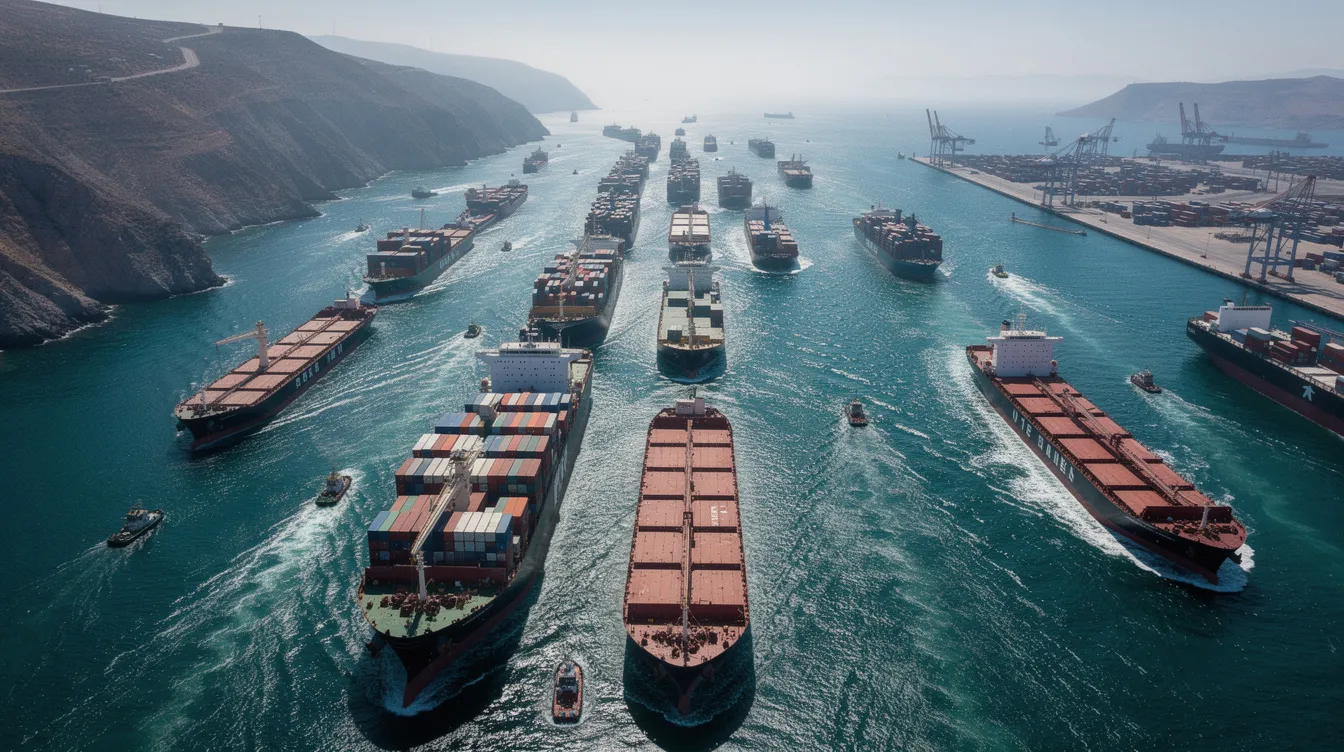
Over 60% of international maritime trade passes through the Singapore Strait, making maritime traffic in the Singapore Strait a high-risk area for piracy. The Strait of Malacca is a prime target for armed robberies, and the Singapore Strait sees a massive concentration of global piracy incidents.
Why It Stands Out: ReCAAP ISC reported 108 incidents in the Strait of Malacca and Singapore in 2025-a 74% increase from 62 incidents in the same period in 2024. Bulk carriers accounted for roughly 52% of targeted vessels operating in these waters.
Best For Understanding: Container ships and bulk carriers using major Asian trade routes across Southeast Asia and the South China Sea.
Key Threats:
-
Nighttime shipboard theft of engine spares, stores, and personal belongings
-
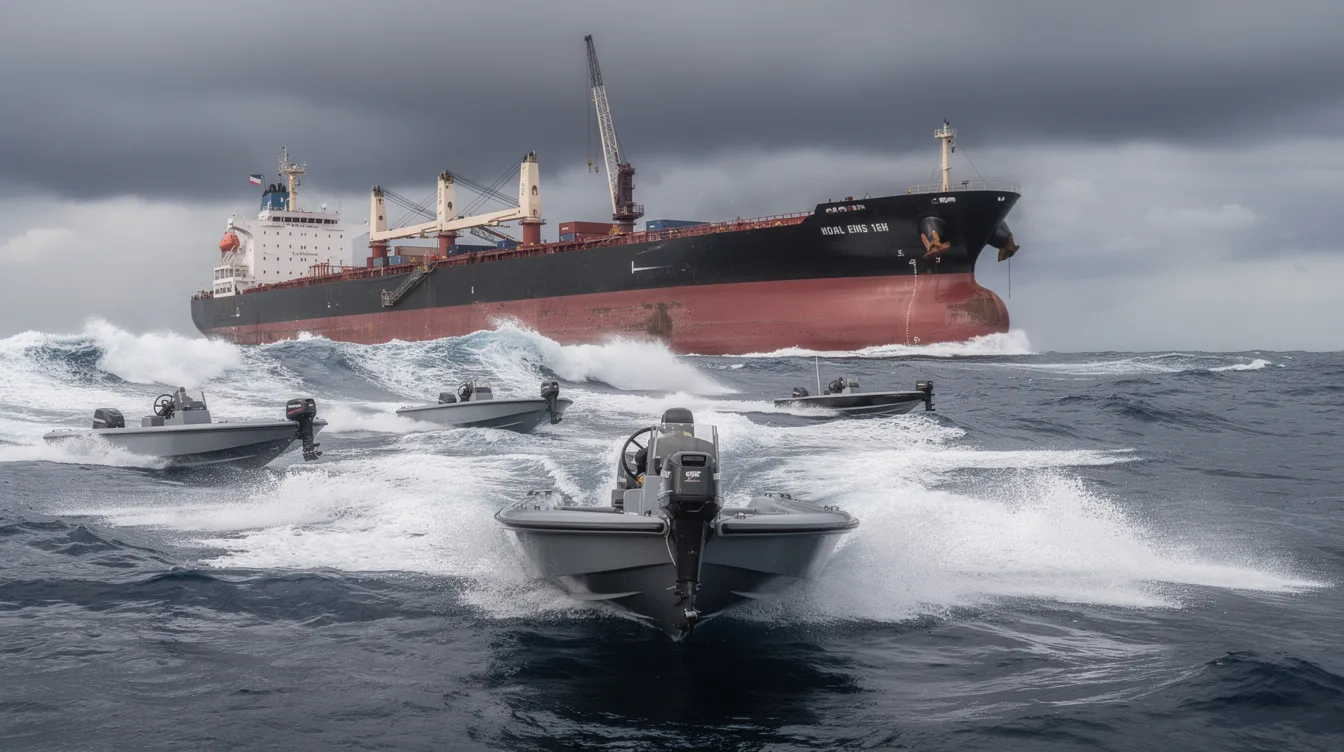
Armed robbery by small boats during transit
-
Cargo theft from vessels transiting congested lanes
Current Challenges: Dense shipping traffic, complex territorial waters shared by multiple nations, and the sheer volume of vessels traversing the strait make comprehensive monitoring difficult. However, most attacks remain Category 4 (low severity), and strong cooperation among coastal states through ReCAAP helps contain escalation.
3. Sulu and Celebes Seas
The maritime triangle between the Philippines, Malaysia, and Indonesia has long been a zone of concern. Since March 2016, 86 abductions have been reported in the Sulu and Celebes Seas, with Abu Sayyaf remnants historically responsible for many incidents involving crew abduction for ransom.
Why It Stands Out: The Sulu and Celebes Seas reported 86 abductions since March 2016, driven by terrorist-linked piracy operations targeting vulnerable vessels.
Best For Understanding: Fishing vessels, small cargo ships, and vessels with minimal security personnel transiting these waters.
Key Threats:
-
Crew abduction for ransom
-
Small boat attacks on slow-moving or anchored vessels
-
Cross-border escape routes that complicate law enforcement
Current Challenges: While no crew abductions for ransom have been reported since January 2020, six consecutive years without such acts, the residual threat from Abu Sayyaf remnants means ships must remain vigilant. Porous borders and limited tri-nation cooperation remain structural vulnerabilities.
4. Red Sea and Gulf of Aden
The Gulf of Aden has long been notorious for piracy, and 2026 has added a volatile new dimension. The Gulf of Aden is notorious for piracy and hijackings, now compounded by Houthi conflict spillover that has reshaped the threat landscape for all commercial vessels transiting between Europe and Asia.
Why It Stands Out: In 2025, there were three hijackings in the Gulf of Aden, confirmed by MARAD advisory 2026-002. Alongside these, six incidents of boarding and armed robbery were reported. It is mandatory for ships to register with UKMTO before entering the high-risk waters in this region.
Best For Understanding: All commercial vessels transiting the Suez Canal approach and Red Sea corridor, particularly those on Europe-Asia routes.
Key Threats:
-
Missile and drone attacks from Houthi forces
-
Boarding attempts and hijacking of private ship traffic
-
Insurance cost spikes for vessels transiting the region
Current Challenges: Yemen conflict expansion has diverted international organizations’ naval assets away from counter piracy patrols. The result: reduced deterrence, higher insurance premiums, and increased vulnerability for ships traversing these waters. Understanding the impact of Red Sea attacks on global trade is essential for any operator in this corridor.
5. Western Indian Ocean
Somali piracy has seen a significant resurgence in 2026, with multiple hijackings marking a return to patterns not seen in over a decade. The Indian Ocean remains a persistent challenge for piracy despite patrols, and the Indian Ocean remains a persistent challenge for piracy in 2026.
Why It Stands Out: Pirates operating from the Somali coast have resumed mothership operations, using hijacked dhows and fishing vessels to launch attacks hundreds of nautical miles offshore. The tanker Honour 25, cargo vessel Sward, and tanker Eureka were all seized in April–May 2026. Somali pirates demand multimillion-dollar ransoms for hijacked vessels, making this one of the most expensive threat zones for ship owners.
Best For Understanding: Deep-sea fishing vessels and cargo ships navigating the Arabian Sea and broader Indian Ocean basin.
Key Threats:
-
Long-range hijacking enabled by pirate ship motherships
-
Multi-million dollar ransom demands
-
Crew detention lasting weeks or months
-
Pirates actively target ships anchored in specific bays under the cover of night
Current Challenges: Piracy off the Somali coast had declined due to multinational naval patrols, but local instability and weakened policing contribute to piracy in Somalia once again. Evidence suggests Houthis are intentionally facilitating Somali pirate groups by supplying GPS devices, weapons, and logistical support. The reduced EU NAVFOR presence and monsoon season further complicate maritime security operations.
6. Caribbean Sea and Gulf of Mexico
An emerging hotspot, the Caribbean and Gulf of Mexico present a different threat profile-one tied more to narco-trafficking and coastal crime than traditional maritime piracy.
Why It Stands Out: In a notable escalation, two crew members were abducted from a drifting bulk carrier off Haiti, the first recorded kidnapping in that region in a decade, signaling potential escalation of illegal activities in these waters.
Best For Understanding: Offshore supply vessels, fishing fleets, and operators in the Middle East-to-Americas trade corridor.
Key Threats:
-
Drug-related violence spilling onto commercial waterways
-
Theft from anchored or drifting vessels
-
Crew intimidation by armed groups in private aircraft and small boats
Current Challenges: Limited coast guard resources, hurricane season complications that distract enforcement, and the integration of narco-trafficking networks with opportunistic piracy. While the Black Sea and other regions draw attention, the Caribbean warrants closer monitoring as such acts of violence increase.
Quick Risk Assessment of Major Piracy Hotspots
Here’s a comparative overview of each region’s primary threat:
| Region | Primary Threat | Severity | Trend |
|---|---|---|---|
| Gulf of Guinea | Crew kidnapping & oil theft | Extreme | Sustained |
| Strait of Malacca | Cargo theft & organized crime | Moderate | High frequency |
| Sulu-Celebes Seas | Terrorist-linked ransom ops | Moderate-Low | Dormant but residual |
| Red Sea / Gulf of Aden | Geopolitical conflict spillover | High | Escalating |
| Western Indian Ocean | Long-range hijacking | High | Resurgent |
| Caribbean / Gulf of Mexico | Drug trafficking connections | Emerging | Watch list |
The global threat posed by modern piracy is not uniform. Frequency alone fails to capture severity-one tanker hijacking in the Somali Basin can cost more than a hundred petty thefts in Southeast Asia.
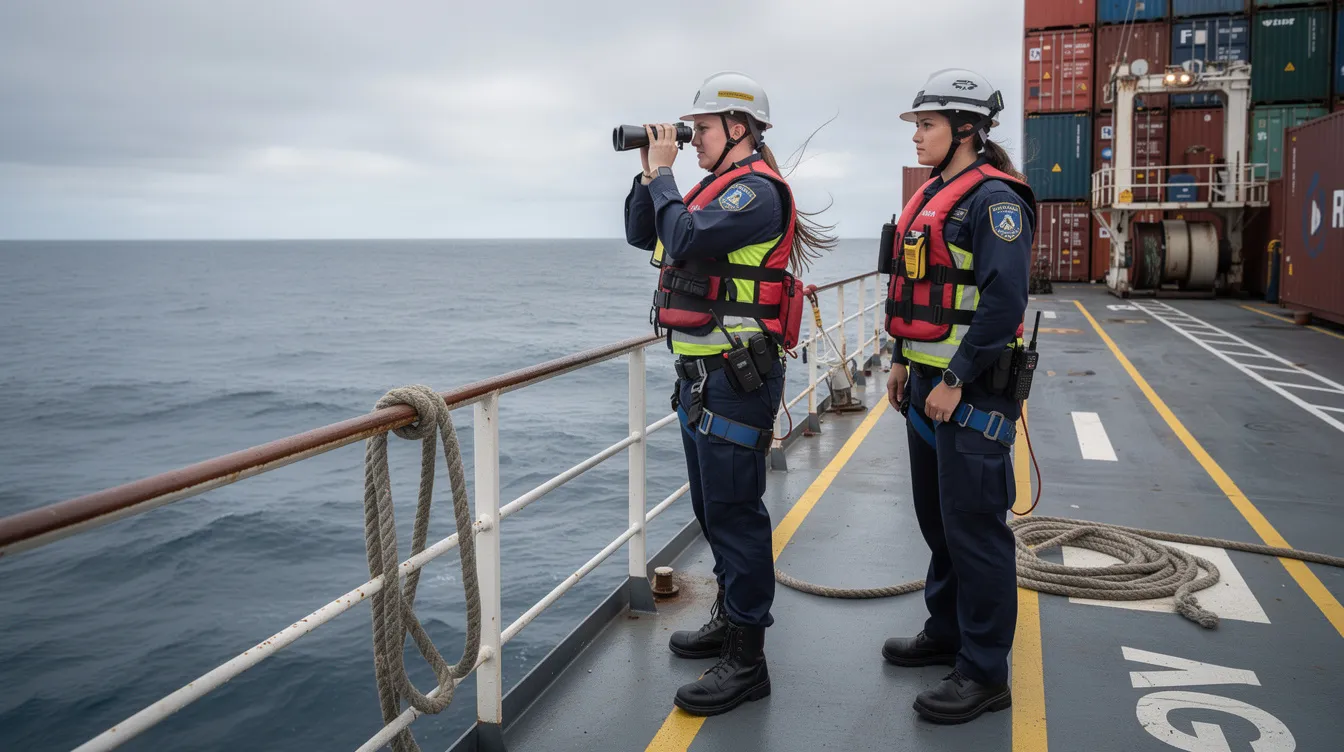
Which Security Approach Is Best for Your Fleet
Selecting the right approach depends on your operational profile:
-
Choose enhanced BMP compliance if operating in moderate-risk areas with standard cargo. Follow management practices outlined in BMP5, maintain vigilant watchkeeping, and report exact coordinates of any suspicious activity.
-
Choose armed security teams if transiting high-risk zones like the Somali Basin or Gulf of Guinea with valuable cargo or vulnerable vessels. A qualified Ship Security Officer should coordinate these measures.
-
Choose route deviation if operational flexibility allows avoiding peak-risk periods. Rerouting around Africa adds cost but may offset insurance premiums and protect against the global threat of hijacking.
-
Choose comprehensive security packages if operating regular services through multiple hotspots. This integrates threat intelligence, physical hardening, crew training, and insurance optimization into a single framework.
Final Thoughts
Maritime piracy in 2026 demands more than awareness-it requires adaptive, data-driven security strategies built into every layer of operations. The threats are evolving: Somali pirates are using satellite communications and GPS to plan attacks with precision, Gulf of Guinea kidnapping networks remain deeply entrenched, and geopolitical instability contributes to effective piracy prevention challenges across the Red Sea corridor. The United Nations and international organizations continue working on legal frameworks, but operational responsibility falls on ship operators.
Effective maritime security combines threat awareness, proper planning, and professional ship management. The cost of inaction-measured in crew safety, cargo losses, and reputational damage-far exceeds the investment in proactive protection.
At Nautilus Shipping, we help clients navigate these challenges through expert technical management, comprehensive crew training, and security planning tailored to your fleet’s routes and risk profile. If your vessels operate anywhere near these hotspots, reach out to our team to build a security strategy that keeps your crew safe and your operations resilient.