

The acronym “BMP6” appears in two unrelated fields that ship operators encounter regularly: biomedical science and maritime security. One refers to a human protein that governs iron metabolism. The other refers to a global security framework that replaced several regional piracy guides in March 2025. This article breaks down both meanings, explains where they overlap in maritime documentation, and shows how Nautilus Shipping applies BMP Maritime Security across its managed fleets.
Key Takeaways
- Bone morphogenetic protein 6 (BMP6) is a secreted ligand of the transforming growth factor beta superfamily. This protein regulates hepcidin expression, controls iron homeostasis, and plays essential roles in cartilage and bone formation. It has nothing to do with maritime security.
- BMP Maritime Security (BMP MS) is a 2025 comprehensive publication from six industry bodies that consolidated regional BMP documents into one global guide. It covers piracy, armed robbery, drone and missile threats, and cyber attacks.
- Nautilus Shipping applies the BMP Maritime Security loop of detect, avoid, deter, delay and report across voyage planning, crew training, and vessel inspections for every transit through high-risk waters.
What BMP6 Means in Different Contexts
- Bone morphogenetic protein 6 (BMP-6): A gene on human chromosome 6 that encodes a growth factor. The encoded preproprotein is proteolytically processed into a mature disulfide-linked homodimer that circulates as a secreted ligand. It acts on various cell types and tissues, including liver endothelial cells, adipose tissue, and bone. It has an important role in iron metabolism, fat and bone development, and many developmental processes.
- BMP Maritime Security (Best Management Practices for Maritime Security): A practical, non-biological framework. Published in March 2025, it tells masters and Company Security Officers how to detect threats, avoid high-risk zones, deter attackers, delay boardings, and report attacks to naval and information-sharing centres.
- Ship managers like Nautilus Shipping encounter both. BMP Maritime Security appears in security circulars and voyage orders. BMP6, the gene and protein, can surface in crew medical screenings when a seafarer’s bloodwork flags abnormal iron parameters or liver markers.
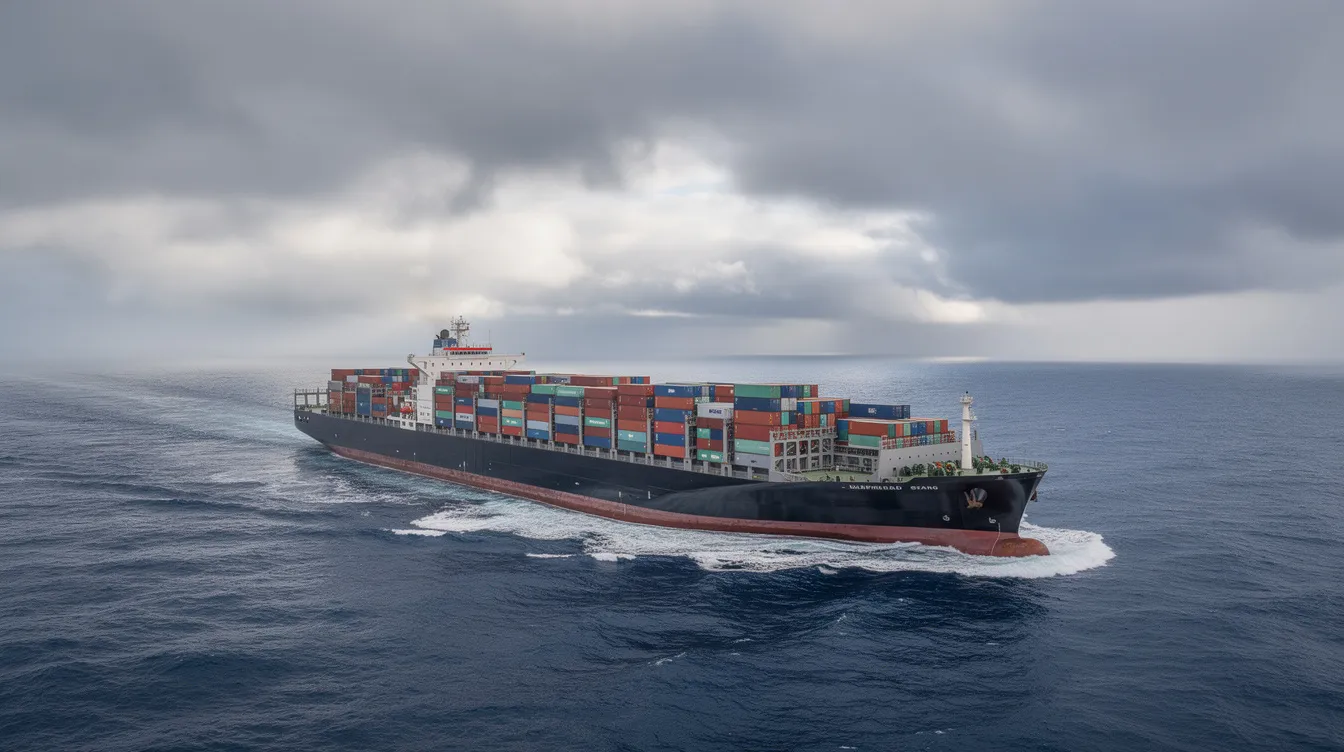
From Biological BMP6 to Maritime BMP: Why the Name Overlaps
- The acronym “BMP” developed independently in two fields. In molecular biology, bone morphogenetic protein research dates to the 1960s-1980s. In policy and security work, “best management practices” became common terminology in the 1990s-2000s.
- In shipping, BMP has nothing to do with biological processes, bone formation, or the progression of disease. It refers to practical management practices for protecting vessels against piracy and armed robbery.
- Confusion can arise when a master reads a coastal-state health circular referencing “BMP6 mutations” on the same desk where IMO guidance references “BMP Maritime Security.” The contexts are entirely separate: one is about a gene and protein, the other about threat and risk.
Evolution of Best Management Practices for Maritime Security up to 2025
Best management practices for vessel protection emerged in response to Somali piracy in the late 2000s. BMP3 arrived around 2009, BMP4 in 2011, and BMP5 in 2018. By the early 2020s, multiple regional BMP documents existed: BMP5 for the Indian Ocean and Horn of Africa, separate guidance for West Africa, and various advisories for Southeast Asia and the Black Sea. Global fleets operating across several high-risk areas had to cross-reference multiple publications.
In March 2025, BIMCO, ICS, INTERCARGO, INTERTANKO, IMCA, and OCIMF published BMP Maritime Security, a single global document replacing all earlier regional BMP documents. The 2025 BMP MS publication addresses a wider threat spectrum: traditional piracy, armed robbery, state-linked missile and drone attacks, hybrid threats, cyber-enabled attacks, and GNSS spoofing. In June 2026, the document was updated to include guidance on activist boardings of ships and offshore installations. The risk management process now spans every ocean, informed by the Maritime Industry Security Threat Overview (MISTO), which is refreshed every three to six months.
Nautilus Shipping updated internal security management practices and training materials in 2025 to align with BMP Maritime Security across its technically managed fleet.
Core Principles of BMP Maritime Security: Detect, Avoid, Deter, Delay and Report
BMP Maritime Security is built around a repeating operational loop: plan, detect, avoid, deter, delay and report. These are not theoretical categories; they translate directly into bridge orders, watch-keeping routines, and hardware decisions.
- Detect: Maintain effective visual and radar watches. Monitor AIS, use coastal reporting, and scan for suspicious craft, drone activity, or missile indicators. Early detection extends the time available for every subsequent step.
- Avoid: Adjust route, speed, and timing. Use recommended transit corridors, naval-advised lanes, and external sources like MSCHOA advisories to steer clear of confirmed threat zones.
- Deter: Make the vessel a hard target. Razor wire on rails, additional lighting, water spray systems, and visible crew activity signal that boarding will not be easy.
- Delay: Prepare citadels, secure access points, and reinforce bridge doors. If attackers breach outer defences, delay measures buy time for naval intervention.
- Report: Promptly report attacks and suspicious approaches to UKMTO, MSCHOA, MDAT-GoG, or relevant coastal-state centres. Accurate, timely data feeds the threat and risk picture for every vessel in the area.
On 1 July 2026, the bulk carrier MV GOLDEN ARSENAL was attacked off Somalia in the Gulf of Aden. The master applied BMP-MS procedures: the crew mustered in the citadel, distress alerts were activated, and coordinated naval response from ROK and Indian Navy assets followed. No injuries resulted.

Reporting Centres and How to Report Attacks Effectively
Timely reporting is what turns a single vessel’s experience into fleet-wide intelligence. Under BMP Maritime Security, the key reporting and information centres include:
- UKMTO: Voluntary reporting scheme for the Indian Ocean and Red Sea.
- MSCHOA: Maritime Security Centre for the Horn of Africa, coordinating naval escorts and transit guidance.
- MDAT-GoG: Maritime Domain Awareness for Trade in the Gulf of Guinea.
- Local coastal-state points as specified in BMP-MS annexes and MISTO updates.
When masters report attacks or suspicious activity, they should provide: vessel name and IMO number, position and time, nature of the incident, actions taken (which steps of detect, avoid, deter, delay, and report were executed), injuries or damage, and current vessel status. Reporting formats and voluntary reporting areas appear in the BMP Maritime Security annexes and on official maritime security charts.
Nautilus Shipping integrates these contact details and reporting protocols into voyage orders and passage-planning templates for every transit through areas identified in MISTO.
Applying BMP Maritime Security in Day-to-Day Ship Management
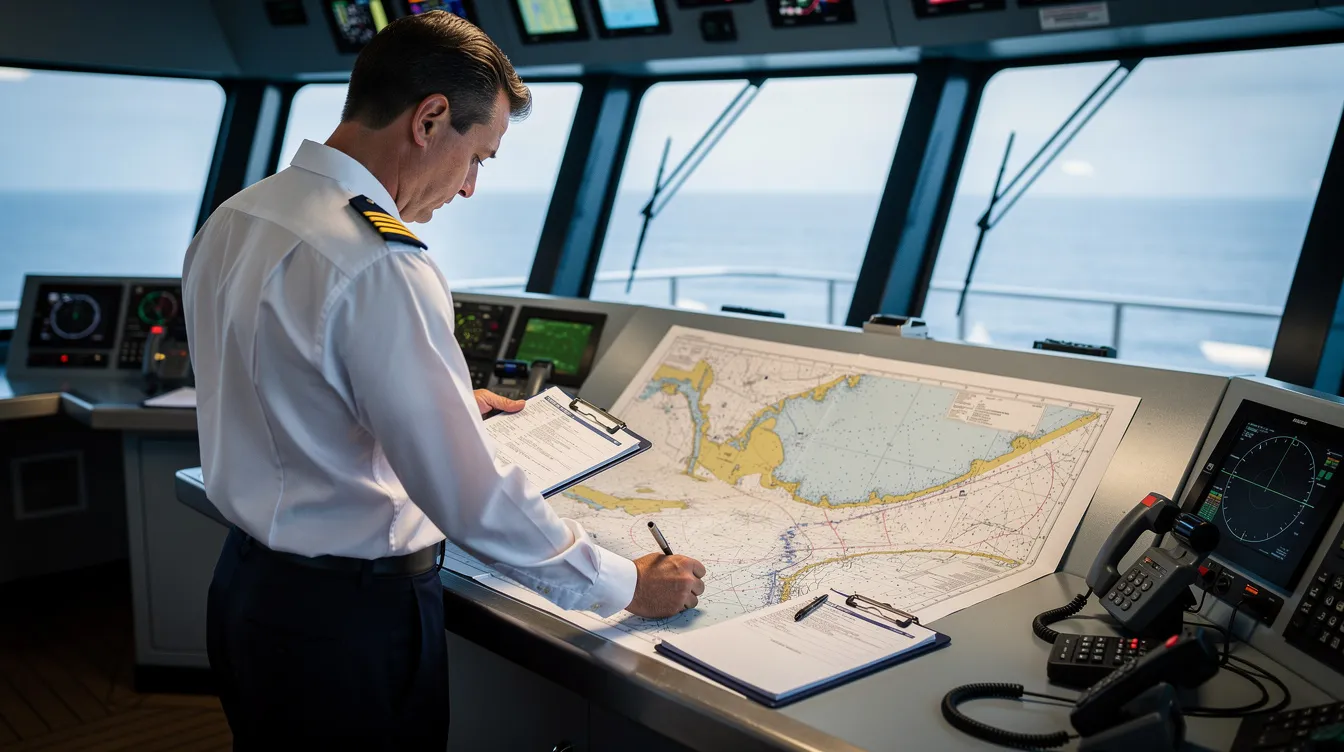
For Nautilus Shipping, BMP Maritime Security is not a standalone piracy checklist. It is woven into technical management, crew management, vessel inspections, and commercial ship services.
Here is how BMP applies across a typical high-risk transit:
| Phase | Key BMP Activities |
|---|---|
| Voyage planning | Threat assessment using MISTO, routing decisions, speed plans, rendezvous with naval convoys |
| Pre-departure | Security drills, citadel functionality checks, communications tests, review of deter, delay and report measures |
| During transit | Elevated watchkeeping, secure lighting, access control, regular security briefings, dynamic threat reassessment |
| Post-transit | Debrief, record-keeping, lessons learned circulated across the managed fleet |
Crew management is central. Security training tied to BMP Maritime Security is embedded in crew management services. Fatigue management becomes critical when watch hours increase during high-threat legs. Psychological support after incidents is provided through seafarer welfare programmes. Reporting chains run from the master through the Ship Security Officer, CSO, and DPA to Nautilus Shipping’s operations centre.
Best management practices for maritime security also intersect with ISPS compliance, cyber security protocols, environmental performance, and commercial decisions such as whether to reroute or accept a war-risk surcharge.
Nautilus Shipping’s Approach to Best Management Practices and Maritime Security
Nautilus Shipping provides end-to-end maritime services where BMP Maritime Security underpins safety, compliance, and vessel performance across bulk carriers, tankers, container ships, and specialised vessels. Integration happens at four levels:
- Ship and technical management: Security hardening specifications, navigation procedures for high-risk areas, and contingency planning are part of every managed vessel’s standing instructions.
- Crew management: Selection criteria include security awareness. Drills are conducted before every high-risk transit. Welfare support follows every incident.
- Commercial ship services: Voyage planning incorporates threat and risk assessment. Charter-party advice covers war-risk clauses and recommended deviations.
- Sustainability and regulatory compliance: BMP Maritime Security aligns with IMO, flag-state, and coastal-state requirements, including SOLAS amendments and ISM Code obligations.
Internally, Nautilus Shipping monitors maritime security advisories continuously, updates company security plans when MISTO or naval authorities issue new guidance, and uses incident data to adjust management practices. Coordination with P&I clubs, insurers, and naval information centres ensures clients receive informed operational recommendations when routing or timing decisions are required.
Bringing It Together: Why BMP6 and BMP Maritime Security Both Matter to Shipowners
Both forms of BMP relate to regulation in their own domains: one for iron metabolism inside a human organism, the other for maritime security across global shipping lanes. Shipowners and managers see both in their documentation. BMP Maritime Security appears in risk assessments, voyage orders, and security plans.
Nautilus Shipping does not provide medical diagnosis of genetic or metabolic conditions like BMP6-related iron overload. It does rely on robust medical partners and shore-side clinics to safeguard crew health, ensuring vessels remain safe and compliant. Recognising acronyms in context and building management practices that are evidence-based protects both vessel security and seafarer wellbeing.
As threats and regulations evolve, Nautilus Shipping will continue aligning its ship management, crew management, and security procedures with the latest best management practices and scientific understanding relevant to seafaring operations.
Frequently Asked Questions
The following questions address practical points not fully covered above, aimed at shipowners, DPAs, and technical managers.
Is Bone Morphogenetic Protein 6 (BMP6) relevant to everyday ship operations?
BMP6 itself does not affect ship handling, navigation, or maritime security. It becomes relevant when crew medical evaluations flag iron overload, elevated serum ferritin, or liver conditions. In those cases, medical reports may reference BMP6, hepcidin expression, or the TGF-beta superfamily. Operators should understand these terms refer to a human gene and protein involved in biological processes, not to any security guideline. Knowing the difference prevents misinterpretation of multi-disciplinary documentation.
What changed for shipowners when BMP Maritime Security was introduced in 2025?
The main change was consolidation. Before March 2025, operators juggled BMP5, Gulf of Guinea guidance, and other regional advisories. The new global BMP Maritime Security guide covers piracy, armed robbery, missile and drone threats, cyber attacks, and (as of June 2026) activist boardings. Companies needed to withdraw old regional BMP documents and update all security procedures, Ship Security Plans, and crew training to reference the 2025 standard and its risk management process.
How does Nautilus Shipping ensure crews actually follow BMP Maritime Security on board?
BMP principles are integrated into Safety Management Systems and standing orders. Before every high-risk transit, voyage-specific threat briefings are conducted. Security drills test citadel muster, communications checks, and activation of deterrence measures. Compliance is verified through vessel inspections, audits, master’s reports, and debriefs after transits through piracy hotspots. Findings feed back into fleet-wide procedure updates.
Does applying BMP Maritime Security increase voyage costs?
Some measures carry costs: rerouting adds fuel burn, security equipment requires procurement, and elevated watchkeeping increases crew fatigue and manning needs. These costs are generally smaller than the exposure from a successful attack, cargo delay, detention, or insurance claim. Nautilus Shipping balances fleet efficiency with security by using threat and risk assessment to select proportionate measures rather than applying every option on every transit.
Where can I access the current BMP Maritime Security document?
The BMP Maritime Security publication is available free from ICS, BIMCO, and the Maritime Global Security website. MISTO threat updates are published alongside it. Nautilus Shipping provides BMP-aligned guidance to its clients as part of its commercial ship services and technical management support.